Analytics Transforming Incentive Distribution in Online Slot Environments
Iris Krüger · Jun 8, 2026

Analytics Transforming Incentive Distribution in Online Slot Environments
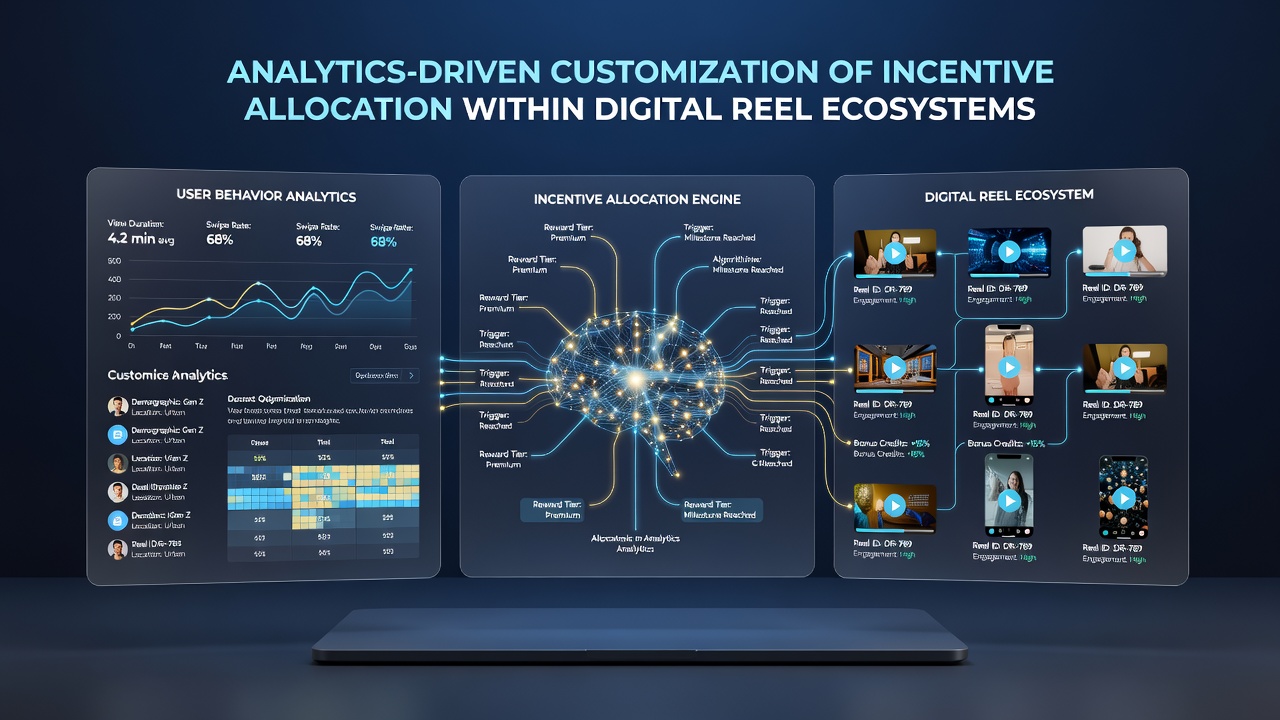
Operators in digital reel ecosystems now rely on advanced analytics to customize incentive allocation rather than applying uniform bonus structures across all players, and this shift draws from detailed behavioral data that segments users by engagement patterns, wager frequency, and session duration. Data collection happens through integrated tracking systems that capture every spin, bet size, and interaction point while algorithms process these inputs to predict which incentives will drive continued play without overspending on rewards.
Data Collection Foundations in Reel Platforms
Modern slot systems gather information from multiple touchpoints including mobile apps, desktop interfaces, and loyalty program portals, then feed it into centralized databases where machine learning models identify clusters of similar player profiles, and these clusters allow platforms to allocate free spins or deposit matches only to segments showing signs of declining activity. Researchers at institutions like the University of Nevada, Reno have documented how predictive models improve allocation accuracy by analyzing historical datasets that span millions of sessions across different game titles.
What's interesting here is the move toward real-time adjustments, so when a player completes a certain number of spins without hitting a bonus round the system can trigger a tailored incentive within the same session rather than waiting for the next day or week. This approach reduces churn because incentives arrive exactly when engagement metrics dip below predefined thresholds.
Segmentation Techniques Driving Customization
Platforms divide users into categories based on metrics such as average bet per spin, preferred game volatility, and time of day activity, while more sophisticated setups incorporate geographic data and device type to refine offers further. For instance one segment might receive percentage-based cashback on losses accumulated during high-volatility sessions, whereas another receives multiplier boosts tied to consecutive wins. American Gaming Association reports highlight that operators adopting these segmented strategies see measurable lifts in player retention rates compared with blanket promotions.
Implementation Examples Across Global Markets
In North American markets several large operators have integrated incentive engines that adjust reward values dynamically based on lifetime value projections calculated from the first few sessions, and similar systems appear in Australian and Canadian jurisdictions where regulatory frameworks require transparent reporting of promotional spend. One case study from a major platform revealed that personalized free spin allocations increased average session length by noticeable margins while keeping overall bonus costs stable through more precise targeting.
European operators outside the UK have also experimented with these tools, linking them to responsible gaming features so incentives scale down automatically for accounts flagged with extended play patterns. Data from these deployments indicates that the balance between player satisfaction and operational efficiency improves when allocation decisions rest on continuous model updates rather than static rules.
Technological Components Behind Allocation Logic
Core technology stacks combine Apache Spark for large-scale data processing with reinforcement learning frameworks that treat incentive delivery as an optimization problem, and these systems test multiple offer variations against control groups to determine which combinations produce the highest return on promotional investment. Integration with existing game servers allows seamless delivery of rewards directly into the reel interface without requiring players to navigate separate menus or claim processes.
By June 2026 several providers had rolled out updated versions of these engines that incorporate natural language processing on player support chats to detect sentiment shifts, then correlate those signals with incentive recommendations. Observers note that this layer adds another dimension to customization because it accounts for qualitative feedback alongside quantitative metrics.
Regulatory and Compliance Considerations
Regulators in multiple regions require operators to maintain auditable records of how analytics influence incentive decisions, ensuring that targeting does not inadvertently exclude protected player groups or create unfair advantages. Compliance teams work alongside data scientists to build safeguards into the models, such as caps on total incentive value per account within defined periods. Industry organizations including the European Gaming and Betting Association publish guidelines that help standardize these practices across borders while allowing room for local adaptations.
Conclusion
Analytics-driven customization continues to evolve within digital reel ecosystems as operators refine their data pipelines and testing methodologies, and the result is a more precise matching of incentives to individual player needs that supports both engagement goals and responsible gaming standards. Those who have studied these implementations observe steady adoption across markets because the approach delivers measurable efficiency gains without sacrificing the core appeal of slot play. Continued advancements in model sophistication promise even tighter integration between analytics outputs and in-game reward mechanics going forward.