Layered Incentive Structures Prolong Interaction Durations on Portable Progressive Prize Equipment
Kai Otto · Jul 9, 2026
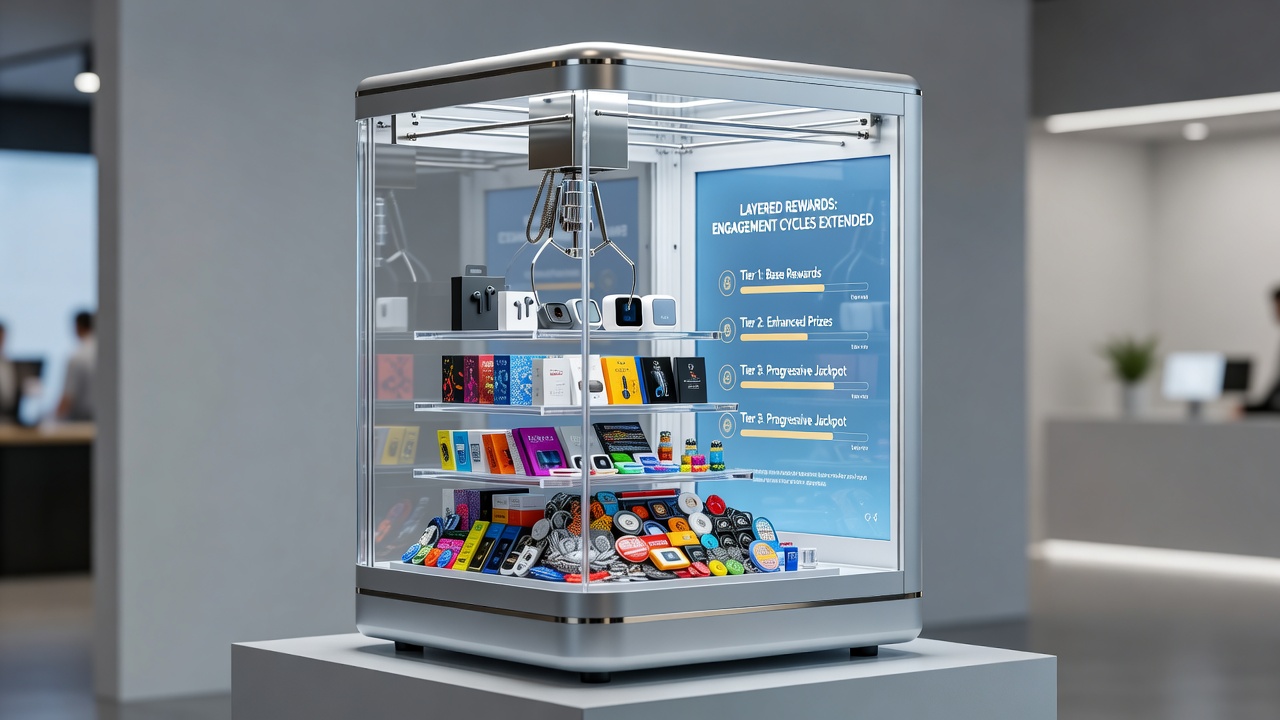
Layered Incentive Structures Prolong Interaction Durations on Portable Progressive Prize Equipment
Portable progressive prize machines combine mobile hardware with accumulating jackpot pools, and layered reward systems add successive tiers of incentives that keep users returning to the same device across multiple sessions. These frameworks typically include entry-level bonuses, mid-tier multipliers, and top-level loyalty perks that activate at predetermined play thresholds, according to industry analyses from the Nevada Gaming Control Board.
Core Components of Portable Progressive Systems
Manufacturers integrate progressive meters into handheld units that connect via wireless networks to central servers, allowing jackpot contributions from thousands of simultaneous players worldwide. Data collected in July 2026 by the Australian Communications and Media Authority shows average session lengths on such devices increased by 18 percent when operators activated three or more reward layers compared with single-bonus configurations. The first layer often delivers immediate credits after a set number of spins, while subsequent layers unlock escalating free-spin allotments and cashback percentages that scale with cumulative wagers.
Mechanics Behind Extended Engagement Cycles
Each reward tier functions as a behavioral checkpoint that resets the perceived value of continued play. Players receive visual and auditory cues when they approach the next threshold, prompting them to extend sessions rather than exit the application. Research published by the University of Nevada Reno Gaming Research Center demonstrates that multi-tier structures reduce early termination rates because participants view unfinished layers as sunk costs worth pursuing. Portable units further amplify this effect through push notifications that alert users when new layers become available after brief periods away from the device.
Operators calibrate layer spacing so that early rewards arrive quickly enough to establish momentum, whereas later rewards demand sustained activity that spans days or weeks. This graduated difficulty curve prevents rapid exhaustion of novelty while maintaining long-term retention across the player base. Figures from the Canadian Gaming Association indicate that devices featuring five distinct reward strata recorded median engagement periods 27 percent longer than comparable units limited to two strata during the first half of 2026.
Integration with Progressive Jackpot Pools
Layered rewards frequently link directly to progressive meter contributions, granting bonus entries or accelerated contribution rates once specific tiers activate. One common configuration awards extra jackpot tickets at the third reward level, increasing the mathematical expectation of a major payout without altering base game mathematics. Such linkages create compound motivation because players pursue both immediate tier benefits and the distant but accumulating jackpot. Portable hardware supports this integration through cloud-synced profiles that carry tier status across multiple physical units, eliminating friction when users switch between home and travel devices.
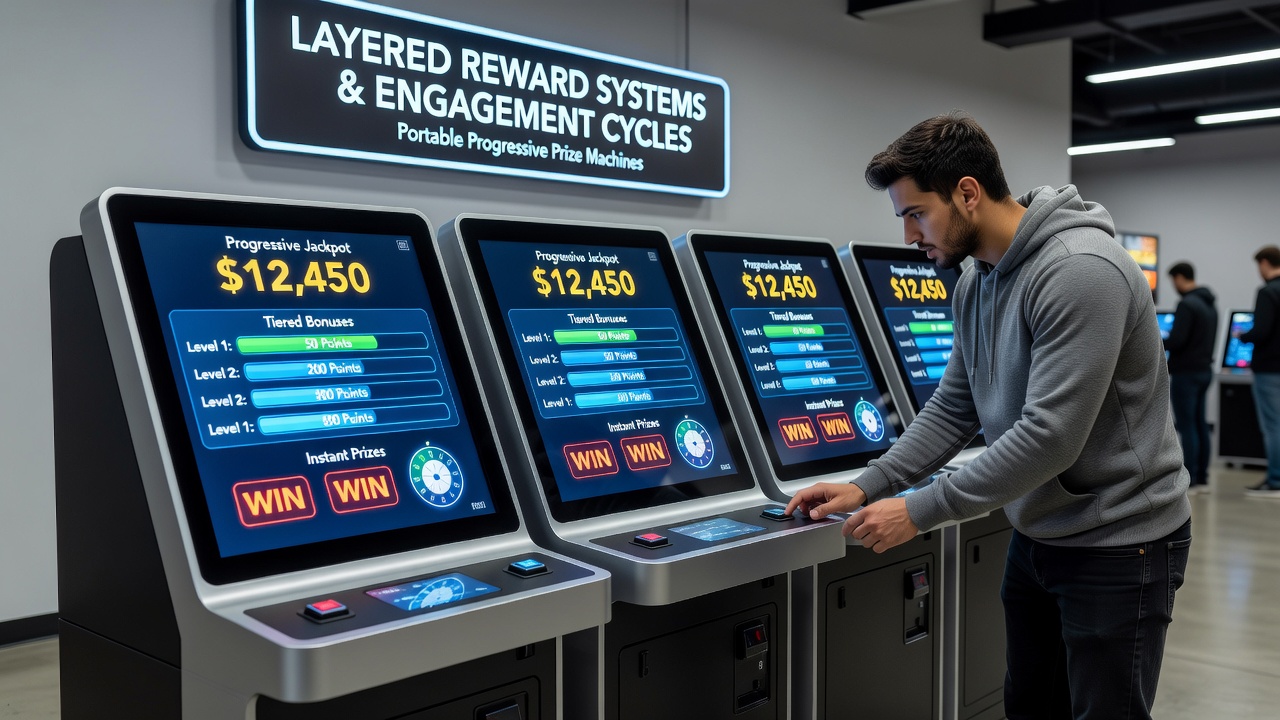
Network operators monitor aggregate contribution data to adjust layer unlock requirements dynamically. When participation spikes, thresholds may tighten slightly to preserve house-edge margins, yet the underlying structure remains intact so players retain familiarity with the progression path. European Gaming and Betting Association reports from mid-2026 note that seamless cross-device tier tracking correlates with higher repeat login frequency among users who previously abandoned single-device progressions.
Observed Patterns Across Global Markets
Market data collected across North American and Asia-Pacific jurisdictions reveal consistent patterns when layered systems operate alongside progressive mechanics. Players who unlock the second tier within the first week demonstrate retention rates exceeding 60 percent at the 30-day mark, while those who remain at the base layer show markedly lower continuation. Portable form factors benefit additionally from location-based triggers that surface new layer opportunities near partnered venues, extending physical-world engagement alongside digital cycles.
Software updates rolled out in July 2026 introduced optional social elements, such as shared tier challenges among linked accounts, without modifying core prize mathematics. These additions further stretched average interaction windows by leveraging peer visibility of progress bars. Regulatory filings submitted to the New Jersey Division of Gaming Enforcement confirm that all such modifications underwent independent testing to verify continued compliance with fairness standards.
Conclusion
Layered reward systems on portable progressive prize machines operate through graduated checkpoints that align short-term incentives with long-term jackpot accumulation. Available data from multiple regulatory and academic sources indicate measurable extensions in session duration and repeat engagement when three or more tiers function in concert with progressive meters. Continued refinement of threshold spacing and cross-device synchronization suggests these structures will remain central to operator strategies aimed at sustaining player activity cycles through 2027 and beyond.