Loyalty Pathways That Convert Recurring Spin Credits Into Layered Multiplier Chains Across Portable Gaming Networks
Kai Otto · Jul 13, 2026
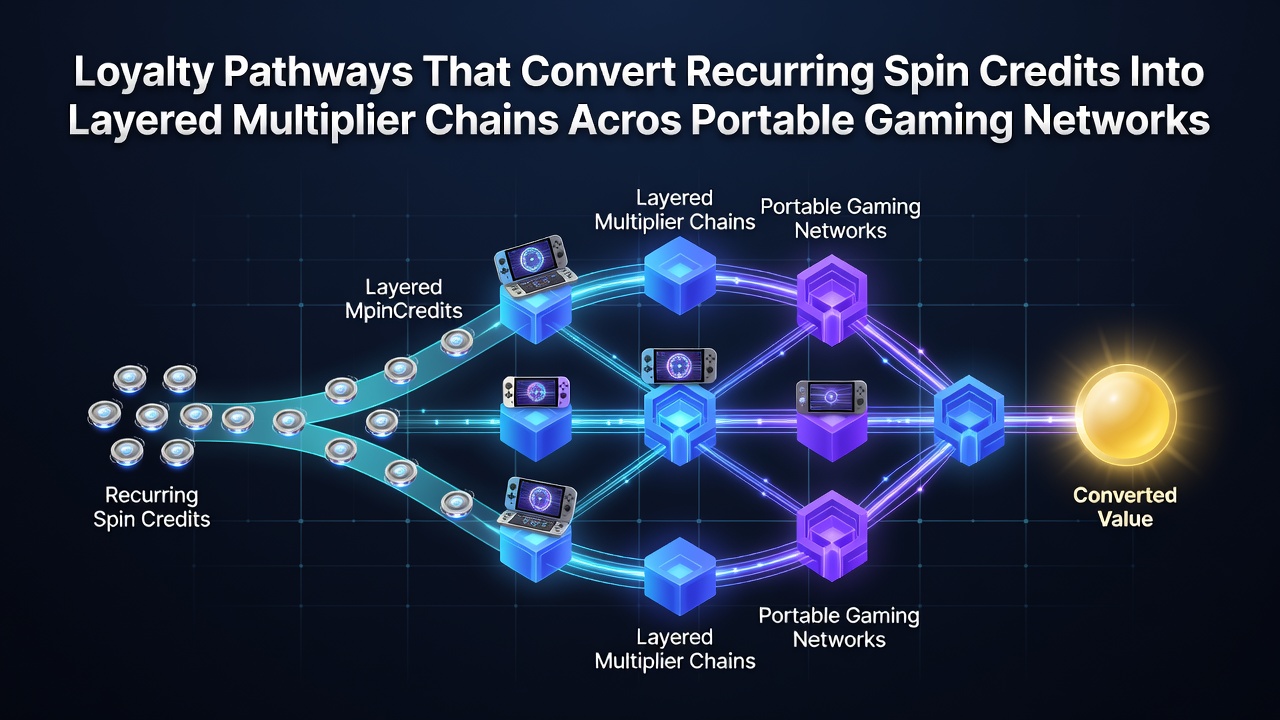
Loyalty Pathways That Convert Recurring Spin Credits Into Layered Multiplier Chains Across Portable Gaming Networks
Portable gaming networks operate through interconnected mobile platforms where players accumulate spin credits from repeated sessions, and these credits feed directly into structured loyalty pathways that build layered multiplier chains. Data from industry reports shows that such systems track activity across devices, converting base credits into escalating reward tiers based on frequency and volume of play. In July 2026 observers note continued expansion of these networks as operators integrate cross-platform tracking tools that maintain consistent credit balances regardless of device switches.
Mechanics of Credit Conversion in Mobile Environments
Spin credits enter loyalty pathways at entry-level tiers where each completed spin adds incremental value to a player's account profile, and conversion begins when accumulated credits reach predefined thresholds that trigger multiplier activation. Systems apply base multipliers first, then layer additional factors such as session duration or game type to increase overall value, while portable networks synchronize these updates in real time across smartphones and tablets. Research from the American Gaming Association indicates that mobile integration accounts for a growing share of tracked loyalty activity in regulated markets, with credits flowing seamlessly between titles within the same ecosystem.
Layered chains form when initial multipliers unlock secondary stages that compound previous gains, creating progressive structures where later spins benefit from earlier accumulation. These chains reset or advance according to rules set by each network, and operators adjust parameters to balance retention with operational costs. Those who study player behavior patterns report that the conversion process relies on algorithmic models that predict optimal multiplier depth based on historical data from similar user cohorts.
Network Architecture Supporting Portable Multiplier Systems
Portable gaming networks rely on cloud-based servers that maintain unified player profiles, allowing spin credits generated on one device to contribute to multiplier chains visible on another without interruption. Backend databases record every credit transaction and apply tier rules automatically, while front-end applications display updated chain status through intuitive interfaces. According to figures from the Canadian Gaming Association, cross-border mobile play has increased the demand for robust synchronization protocols that prevent credit loss during network transitions.
Security layers protect these pathways by encrypting credit data during transfer, and compliance frameworks in various jurisdictions require transparent reporting of how multipliers are calculated and applied. In July 2026 several platforms expanded their use of blockchain elements to log chain progression immutably, providing verifiable records for both operators and regulatory bodies. This architecture supports scalability as player numbers grow, maintaining performance even when thousands of concurrent sessions feed credits into the same loyalty structures.
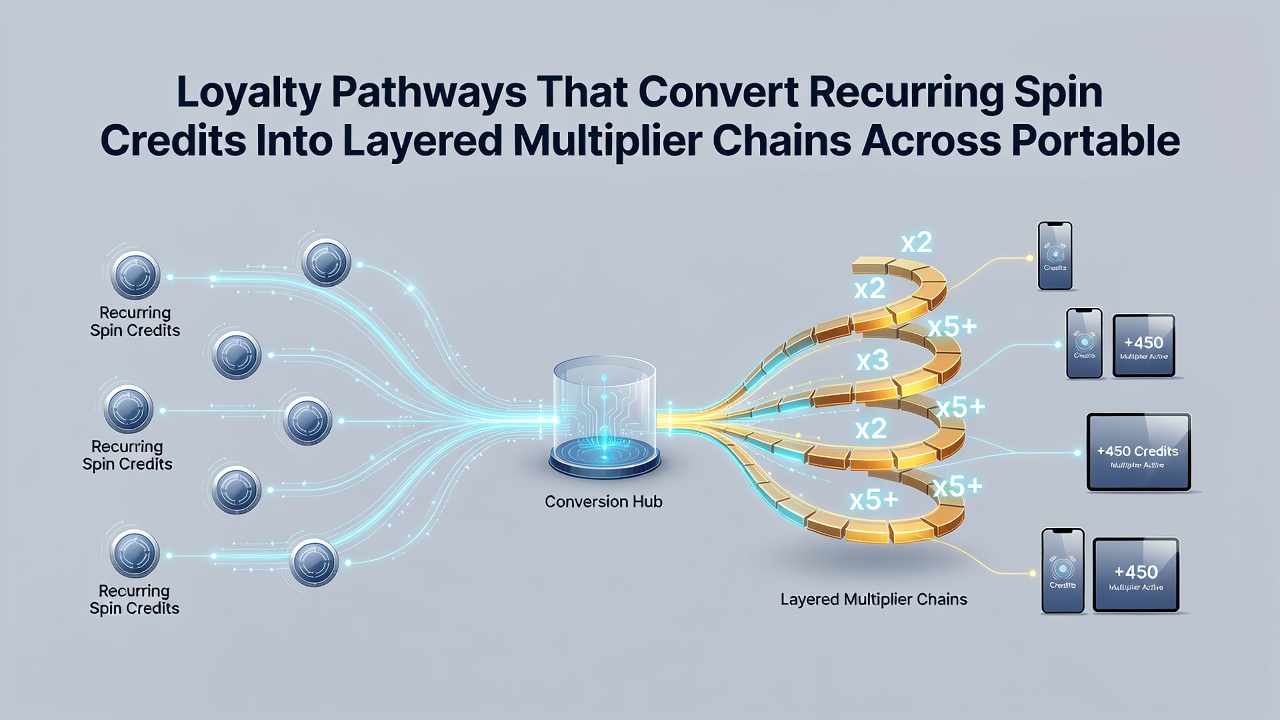
Examples of Tier Progression Across Global Platforms
One documented case involves a European operator that structures its loyalty pathway into five distinct layers, where recurring spin credits from daily mobile sessions advance players from basic multipliers to advanced chains offering compounded returns. Another instance from Australian markets shows networks linking credits across multiple game genres, allowing fruit-themed titles and progressive jackpots to contribute equally to shared multiplier pools. Data indicates these progressions typically require between 500 and 2000 credits to unlock each successive layer, with reset timers aligned to monthly cycles.
Observers note that portable networks often incorporate social features where referrals add bonus credits that accelerate chain building, though core conversion mechanics remain tied to individual play volume. University-led studies on digital gaming economies have examined how these systems influence session length, finding correlations between visible multiplier progress and sustained engagement across devices.
Regulatory Considerations in July 2026
Regulatory bodies outside the UK continue to evaluate how loyalty pathways handle credit conversion and multiplier transparency, with agencies in Nevada and several EU member states issuing updated guidelines in mid-2026 that emphasize clear disclosure of tier requirements. These rules require operators to display exact conversion rates within mobile applications, ensuring players understand how recurring spins translate into layered rewards. Compliance audits now routinely examine whether chains reset fairly and whether portable synchronization maintains accurate records across jurisdictions.
Industry organizations such as the World Lottery Association have published frameworks that address data privacy concerns arising from cross-device tracking, recommending encryption standards that align with broader consumer protection laws. In July 2026 these developments coincided with increased adoption of artificial intelligence tools that optimize chain layering without altering fundamental credit mechanics.
Conclusion
Loyalty pathways in portable gaming networks function as structured systems that systematically convert recurring spin credits into layered multiplier chains through algorithmic thresholds and real-time synchronization. Evidence from multiple regulatory regions shows steady refinement of these mechanisms through 2026, driven by technological capabilities and compliance requirements. The architecture supports consistent player progression across devices while maintaining operational transparency demanded by oversight bodies worldwide.