Mobile Integration Strategies for Casino Incentives: Enhancing Accessibility in Loyalty Frameworks
Carlo Beck · Jun 25, 2026
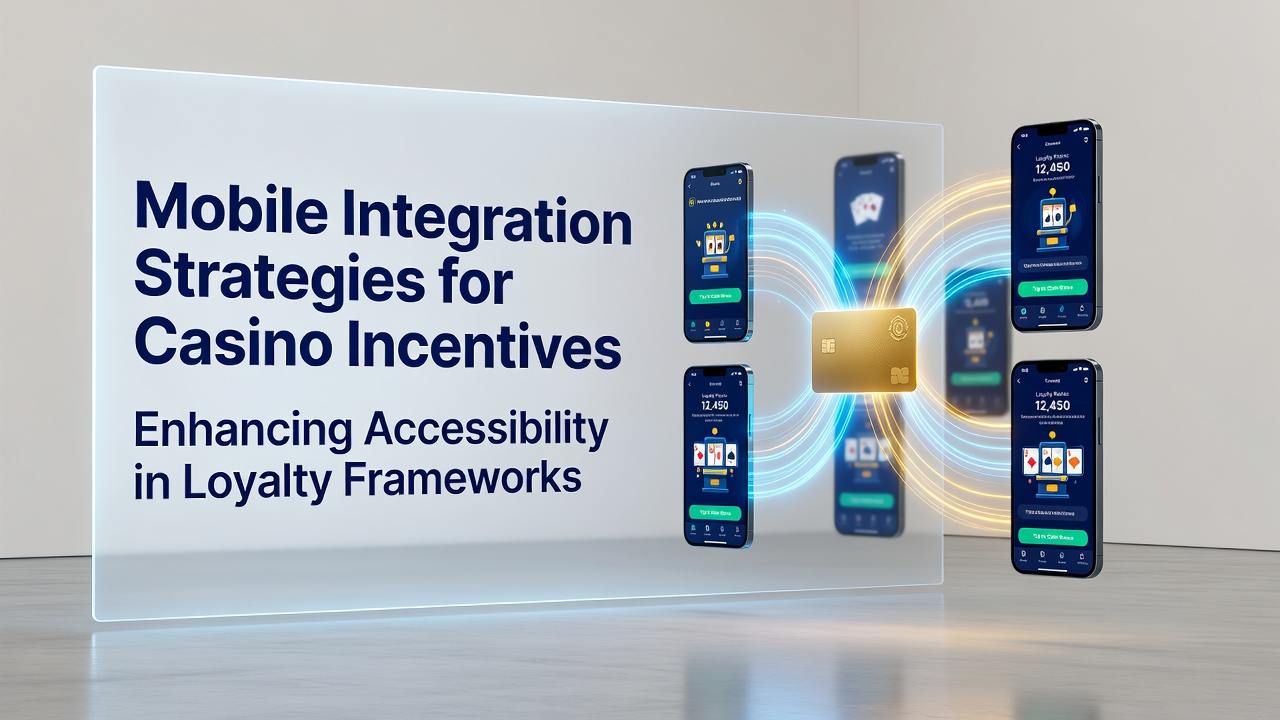
Mobile Integration Strategies for Casino Incentives: Enhancing Accessibility in Loyalty Frameworks
Operators across global markets have adopted mobile integration strategies that connect casino incentives directly to loyalty frameworks, allowing users to access rewards through dedicated applications rather than desktop portals alone. These approaches rely on API connections between player tracking systems and mobile interfaces, which deliver real-time updates on bonus eligibility, point accumulation, and redemption options. Research from industry bodies indicates that such connectivity reduces friction in reward distribution while maintaining compliance with regional licensing requirements.
Core Components of Mobile-Enabled Incentive Delivery
Push notifications serve as one primary tool within these frameworks, alerting users to time-sensitive offers such as free spin allocations or deposit match opportunities as soon as loyalty thresholds are met. Location-based triggers further refine delivery by activating incentives only when players enter designated gaming venues or approved zones, a method documented in several North American regulatory filings. Meanwhile, biometric authentication layers embedded in mobile wallets streamline account verification, cutting login times and ensuring that accumulated points remain accessible without repeated credential entry.
Integration also extends to cross-platform synchronization, where activity on desktop terminals updates mobile dashboards instantaneously through cloud-based servers. This setup supports tiered loyalty structures, in which higher-status members receive priority access to exclusive mobile campaigns. Data from the American Gaming Association shows that synchronized systems have increased active participation rates in incentive programs by measurable margins in monitored jurisdictions.
Accessibility Enhancements Through Mobile Frameworks
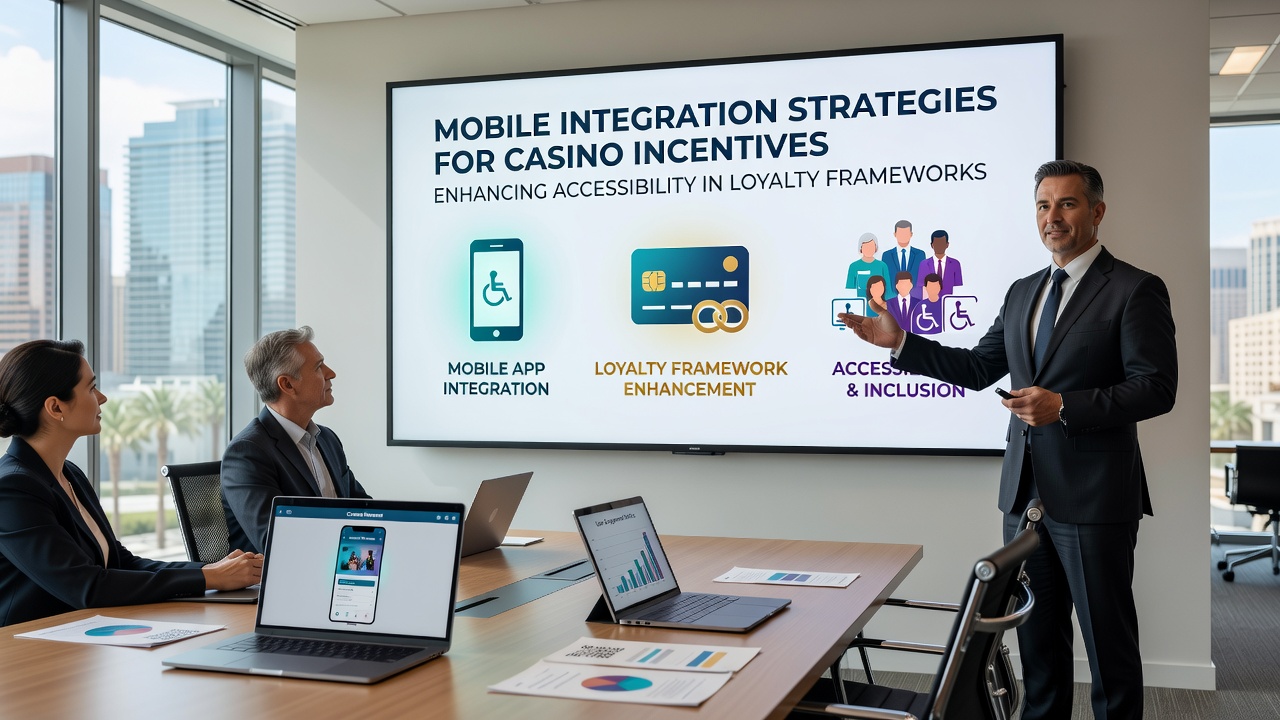
Accessibility improves when mobile strategies incorporate features such as adjustable text sizes, voice navigation, and high-contrast modes that accommodate diverse user needs within loyalty interfaces. These modifications align with broader digital inclusion standards observed in European and Australian markets, where regulators require equitable access to promotional content. Screen reader compatibility ensures that point balances and bonus terms remain readable for visually impaired participants, while simplified menu structures reduce cognitive load during reward selection.
Multi-language support integrated into apps extends reach to non-native speakers, with automatic detection based on device settings. Observers note that such adaptations expand the pool of eligible users without altering the underlying incentive mechanics or payout structures. In June 2026, several operators reported expanded mobile accessibility testing phases that incorporated user feedback loops to refine these elements further.
Implementation Patterns Across Regions
North American operators often prioritize geofencing combined with loyalty apps to restrict certain incentives to physical casino floors, creating hybrid experiences that blend online tracking with on-site play. European frameworks, by contrast, emphasize data portability rules that let users export loyalty histories between licensed platforms via mobile exports. Australian regulatory approaches focus on responsible gaming overlays within mobile incentive systems, including mandatory session reminders tied to reward redemptions.
One documented case involved a Canadian provincial operator that linked its loyalty program to a mobile wallet partnership, enabling instant conversion of points into playable credits across multiple game types. Similar patterns appear in reports from the Canadian Gaming Association, where seamless integration correlated with sustained user retention across monitored periods. These examples illustrate how regional priorities shape the technical choices behind mobile incentive delivery.
Technical Considerations and Security Measures
Encryption protocols protect transaction data flowing between mobile devices and central loyalty servers, while tokenization replaces sensitive account details during incentive redemptions. Regular penetration testing, as required by various licensing authorities, verifies that these safeguards hold against emerging threats. Backend analytics platforms process aggregated usage patterns to optimize incentive timing without exposing individual player data.
Cloud infrastructure supports scalability during peak promotional periods, such as holiday campaigns or major sporting events that drive increased mobile traffic. Yet operators maintain on-premise redundancies to prevent service interruptions that could block access to earned rewards. Industry reports highlight that robust failover systems have become standard in frameworks aiming for continuous availability.
Future Directions in Mobile Loyalty Integration
Advancements in 5G connectivity and edge computing promise faster processing of complex loyalty calculations directly on devices, reducing latency in reward notifications. Emerging standards around digital identity verification may further streamline cross-border access to incentives for traveling players. As of June 2026, pilot programs in select markets explore blockchain elements for transparent point ledgers accessible via mobile interfaces.
Collaboration between software developers and regulatory bodies continues to refine guidelines around mobile incentive advertising, ensuring clarity in terms and conditions displayed on smaller screens. These developments build upon existing infrastructure rather than replacing it, maintaining continuity for established loyalty members.
Conclusion
Mobile integration strategies have established measurable pathways for enhancing accessibility within casino loyalty frameworks by linking incentives to user devices through secure, synchronized systems. Regional variations demonstrate adaptable models that respect local regulations while delivering consistent reward access. Ongoing technical refinements, supported by data from organizations such as the American Gaming Association and international research bodies, point toward continued evolution in how players interact with promotional structures across platforms.