Point Systems and Daily Challenges: Triggering Progressive Jackpots in Mobile-First Slots
Kai Otto · May 30, 2026
Point Systems and Daily Challenges: Triggering Progressive Jackpots in Mobile-First Slots
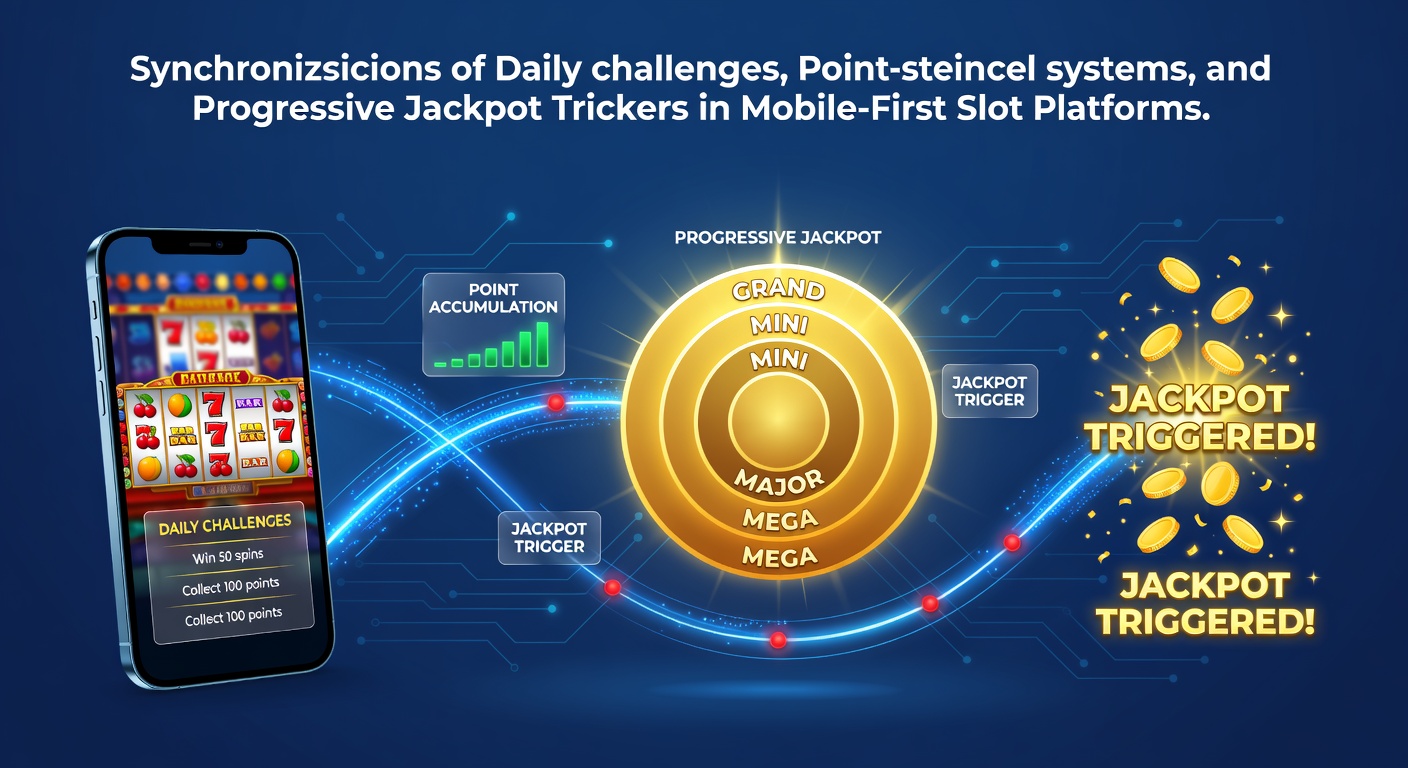
Point systems in mobile-first slot platforms operate through structured reward mechanisms that convert player activity into measurable progress toward jackpot eligibility, and daily challenges serve as the primary input layer for these systems. Platforms integrate these elements so that completing tasks such as spinning a set number of times, achieving specific symbol combinations, or reaching session milestones awards loyalty points that feed directly into centralized progressive pools. Data from industry reports shows that this synchronization relies on real-time APIs connecting mobile applications to backend servers that track both individual point balances and shared jackpot meters across thousands of concurrent users.
Mechanics of Point Accumulation Through Challenges
Daily challenges appear in mobile interfaces as time-bound objectives that reset at midnight server time, and players earn points by fulfilling criteria like wagering thresholds or consecutive wins without triggering bonus rounds. These points accumulate in tiered ledgers where base values scale according to stake levels, and multipliers apply during promotional windows such as those observed in early 2026 platform updates. Researchers at gaming analytics firms note that algorithms adjust point values dynamically based on player retention metrics, ensuring that higher engagement correlates with faster progression toward jackpot trigger thresholds. Mobile-first design emphasizes push notifications that alert users to new challenges within seconds of availability, which maintains continuous interaction loops without requiring constant app checks.
Synchronization With Progressive Jackpot Triggers
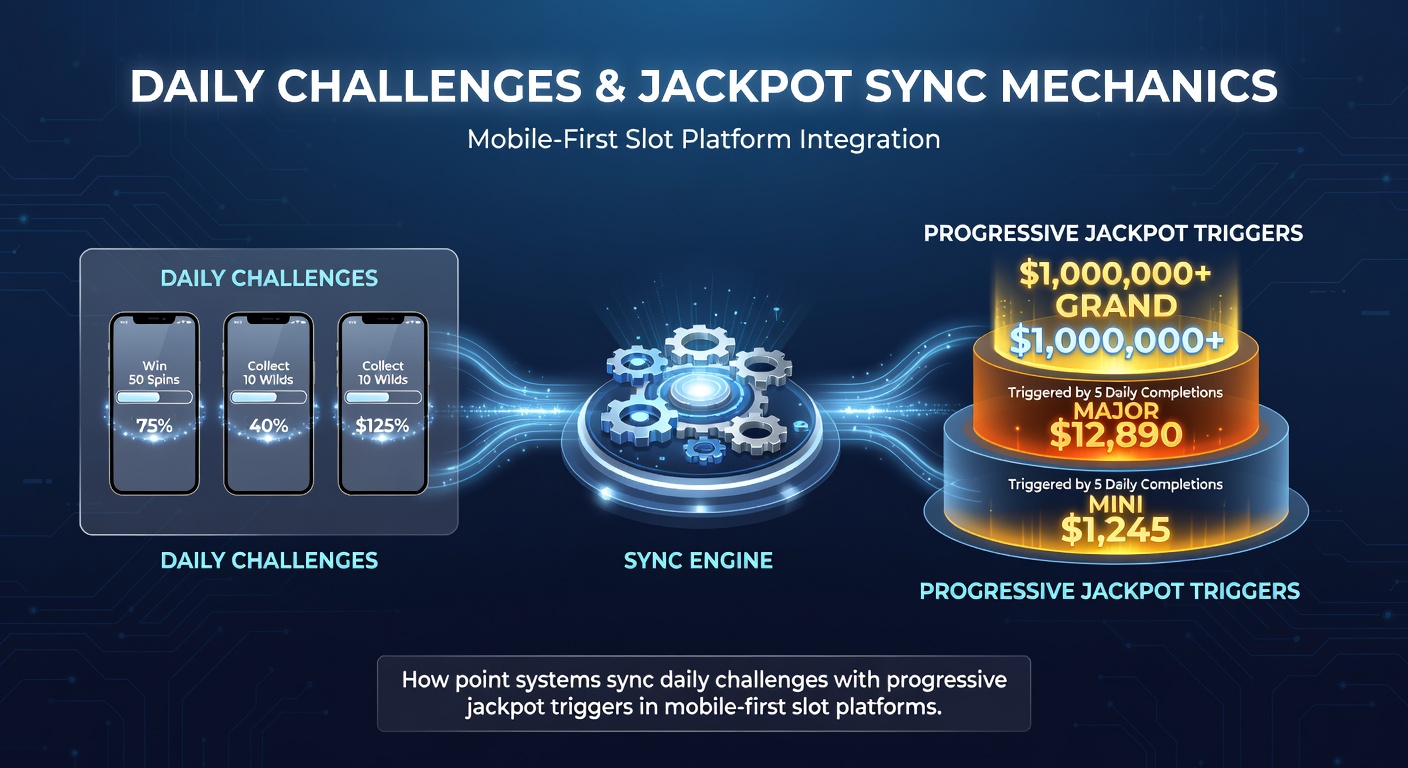
Progressive jackpots advance when point totals from aggregated challenges reach predefined contribution percentages allocated from each wager, and this process occurs through automated scripts that allocate fractions of stakes to seed and grow the prize pool. In mobile environments, synchronization happens via cloud-based ledgers that update jackpot displays in real time as points convert to meter increments, often within milliseconds of challenge completion. Observers note that certain platforms link point milestones to secondary triggers such as random number generator events that activate when cumulative daily points surpass specific benchmarks, and this creates layered opportunities for jackpot activation beyond standard bet contributions. Studies conducted by university gaming departments indicate that these integrated systems increase overall jackpot frequency by distributing contributions across both direct wagers and challenge-based point systems.
Mobile-First Platform Adaptations in 2026
Platform launches throughout May 2026 incorporated enhanced mobile architectures that prioritize low-latency data exchange between challenge trackers and jackpot engines, and this allows seamless point syncing even during high-traffic periods. Developers implemented edge computing nodes closer to user locations to reduce delays in updating progressive meters after challenge rewards post, while maintaining compliance with regional licensing requirements across multiple jurisdictions. Industry organizations such as the European Gaming and Betting Association have documented how these technical upgrades support cross-device continuity, enabling players to switch between phones and tablets without losing accumulated points or jackpot eligibility status. What's interesting is how biometric login features in newer apps further secure point ledgers against unauthorized access during rapid challenge cycles.
Data Integration and Real-Time Processing
Backend systems process challenge completions by converting raw activity logs into point values through weighted formulas that factor in game volatility and session duration, then route these values to jackpot allocation modules without intermediate storage delays. Reports from Canadian research institutions highlight that encryption protocols protect point data during transmission, while audit trails allow regulators to verify that contributions align precisely with published payout percentages. Players often discover that completing multiple overlapping challenges compounds point earnings exponentially during certain promotional periods, and this compounding effect directly accelerates jackpot meter growth rates across networked games. Platforms deploy machine learning models to predict peak challenge participation times, optimizing server resources to handle synchronized point uploads from global user bases.
Examples From Operational Platforms
One documented case involves a European operator that introduced challenge sequences requiring specific reel patterns within daily limits, after which points automatically incremented a linked progressive pool visible in the mobile lobby. Another instance tracked by Australian gaming analysts showed how weekend challenge bonuses doubled point-to-jackpot conversion rates, resulting in measurable spikes in meter activity during those intervals. These implementations demonstrate consistent patterns where mobile notifications prompt immediate challenge starts, and completed tasks feed points into triggers that activate when collective contributions hit randomized thresholds calibrated to maintain expected return percentages.
Conclusion
Point systems that sync daily challenges with progressive jackpot triggers represent a core technical framework in mobile-first slot platforms, relying on integrated data flows, real-time processing, and adaptive algorithms to connect individual activities with shared prize growth. Evidence from regulatory filings and academic reviews confirms that these mechanisms operate across diverse geographic markets with variations tailored to local requirements, and continued platform developments through 2026 reflect ongoing refinements in synchronization efficiency. Such structures maintain operational transparency through documented contribution pathways while supporting expanded user participation via mobile interfaces.