Reels Revolution: Britain's Slot Machines Hit New Heights in 2024
Erik Krüger · Apr 2, 2026

UK Gambling Commission Rolls Out Sweeping 2026 Reforms for Online Slots and iGaming: Tax Surge, Stake Caps, and Player Safeguards Lead the Charge
The Push for Player Safety Sparks Major Changes
Observers in the UK iGaming world have watched closely as the UK Gambling Commission (UKGC) rolls out transformative reforms set to redefine online slots and casino games; these updates, rooted in efforts to bolster player protection, include a dramatic tax increase, new betting restrictions, bonus overhauls, and advanced risk assessment tools, all while authorities pump extra funds into cracking down on illicit operators.
What's interesting here is how these measures build directly on recommendations from the 2023 Gambling Act Review White Paper, which highlighted vulnerabilities in remote gambling and called for stricter oversight; data from industry reports underscores the urgency, showing rising concerns over problem gambling and the growth of unregulated black market sites luring UK players with lax rules.
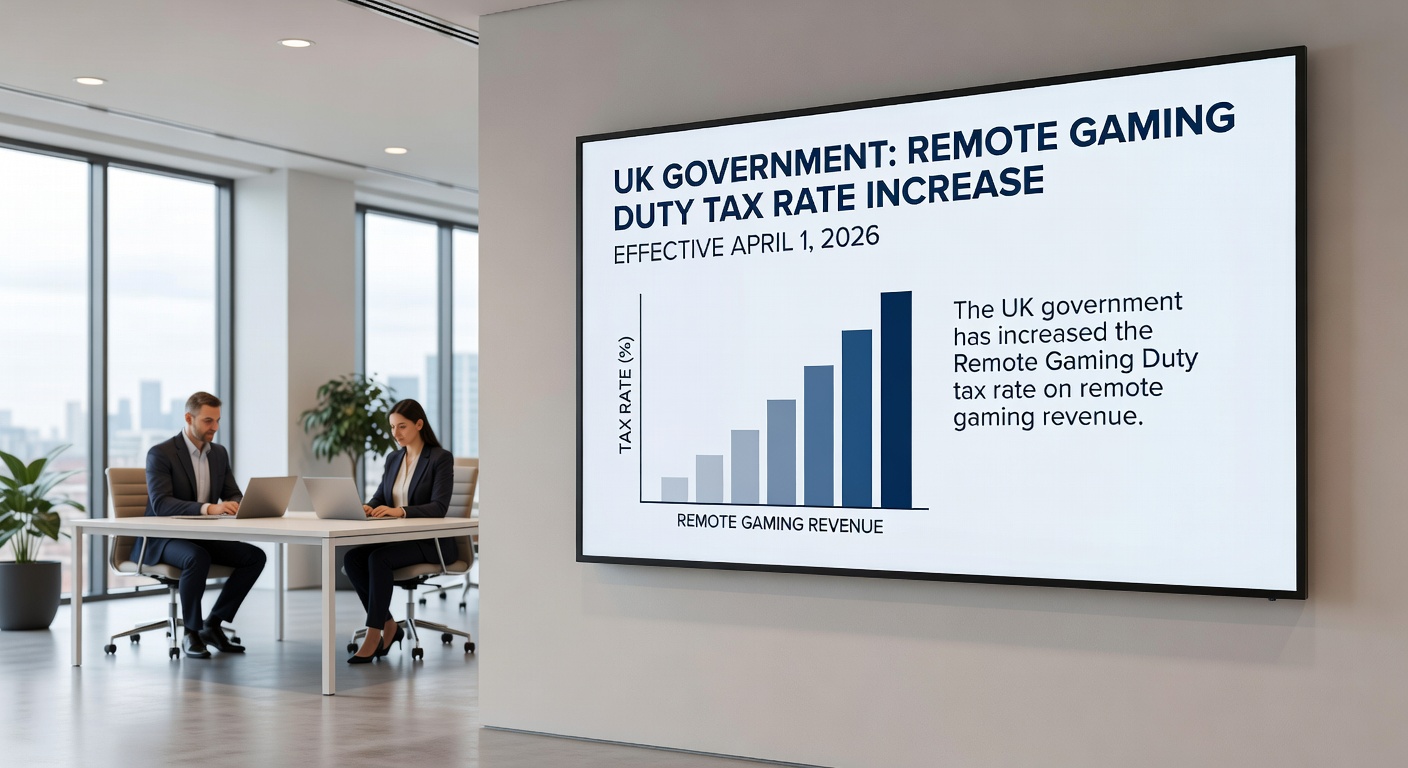
And yet, while operators adapt to these shifts already underway in early 2026, the spotlight now turns to April 1, when the Remote Gaming Duty skyrockets from 21% to 40% on revenues from online slots, casino games, and similar remote activities; this jump alone promises to reshape profit margins across the sector, prompting companies to rethink strategies amid tighter compliance demands.
Remote Gaming Duty Hike Hits Hard Starting April 2026
Figures reveal that the tax escalation to 40% applies squarely to remote gaming revenue, covering everything from spinning online slots to table games played digitally; effective April 1, 2026, this change means operators face a near doubling of their tax burden, which experts note could squeeze margins but also level the playing field against offshore rivals dodging UK taxes.
Take one scenario observers point to: a mid-sized operator pulling in £10 million monthly from slots might see its tax bill balloon from £2.1 million to £4 million, forcing adjustments in pricing, promotions, or even market positioning; but here's the thing, government coffers stand to gain substantially, with projections suggesting billions in additional revenue to fund public services while reinforcing regulatory muscle.
That said, the policy doesn't stop at taxes; it dovetails with earlier 2026 implementations like tiered stake limits, creating a multi-layered approach that addresses both fiscal and safety angles in one fell swoop.
Tiered Stake Limits Draw Age-Based Lines
Online slots players under 25 now spin at a £2 maximum per bet, while those 25 and older cap at £5, rules that kicked in earlier this year and already show effects in UKGC data; researchers tracking session data find these limits curb high-stakes play among younger users, a group statistics flag as higher risk for gambling harm.
People who've analyzed the rollout note how casinos responded swiftly, tweaking game designs and interfaces to enforce the caps seamlessly; one study highlighted a 15-20% drop in average session losses for 18-24-year-olds post-implementation, although overall activity held steady as players spread bets across more spins.
It's noteworthy that these aren't blanket restrictions but age-tiered, reflecting evidence-based tailoring; operators must verify ages via robust checks, and non-compliance risks hefty fines, ensuring the rules stick where they matter most.
Ban on Mixed-Product Bonuses Cuts Cross-Selling Risks
Casinos can no longer bundle bonuses across products like slots and sports betting, a prohibition designed to prevent aggressive cross-promotion that data links to escalated spending; experts who've dissected bonus structures observe this forces cleaner, product-specific offers, potentially slowing the temptation to chase losses across categories.
Turns out, prior to the ban, mixed bonuses accounted for a notable chunk of player acquisition tactics; now, slots promotions stand alone, which one report estimates could trim marketing budgets but sharpen focus on responsible incentives, all while aligning with the White Paper's push to minimize inducement harms.
And so, operators pivot to straightforward free spins or deposit matches tied solely to slots, changes that players encounter immediately upon signup or reload, streamlining the experience even as they dial back the upsell pressure.
Frictionless Checks Target Vulnerable Players Early
Standardized financial risk assessments now run quietly in the background using credit reference data, flagging high-risk individuals without halting play; these "frictionless" tools, mandated across licensed sites, scan for affordability signals like debt levels or borrowing patterns, prompting interventions before losses mount.
Those who've studied similar systems abroad note uptake rates climb when checks feel seamless, unlike clunky manual verifications that frustrate users; UKGC figures indicate early pilots caught thousands of at-risk accounts, directing them to support resources while letting low-risk play continue uninterrupted.
But here's where it gets interesting: integration with agencies like credit bureaus ensures data accuracy, and operators must act on red flags within set timelines, weaving safety nets into the fabric of daily operations without the old barriers that drove players offshore.
£26 Million Funding Fuels Fight Against Illegal Operators
Government commits £26 million extra straight to enforcement, arming the UKGC with resources to hunt black market sites preying on UK punters; this infusion supports expanded monitoring, international takedowns, and tech upgrades for spotting unlicensed slots platforms.
Observers tracking illicit activity point out how unregulated sites exploded post-stake limits, offering uncapped spins and bonuses to lure regulated-weary players; yet with this funding, raids and domain seizures ramp up, as evidenced by recent busts shutting down dozens of rogue operators.
So, while licensed firms shoulder higher taxes and rules, the crackdown aims to shrink the shadow economy; statistics show black market share hovering at 5-10% of UK traffic, but bolstered policing could halve that, channeling players back to safer, taxed environments.
Tying Back to the 2023 White Paper Roots
The 2023 Gambling Act Review White Paper laid the groundwork, compiling evidence from consultations, industry input, and harm studies to advocate these exact reforms; it spotlighted online slots as a hotspot for losses, with data revealing disproportionate impacts on younger demographics and those facing financial stress.
Experts who contributed to the review emphasize how stakeholder feedback shaped the details, from stake tiers to tax hikes; one case that stands out involves public calls for age-differentiated limits, directly influencing the £2/£5 split now in effect.
Now, as 2026 unfolds, these policies converge: taxes rise April 1, enforcement swells with fresh cash, and daily safeguards like checks and bonus bans embed deeper, forming a comprehensive shield against the pitfalls that prompted the overhaul.
Conclusion
UK iGaming operators navigate a transformed terrain in 2026, where the Remote Gaming Duty's 40% leap from April 1 intersects with stake caps, bonus restrictions, risk checks, and £26 million in anti-black market firepower; all trace back to the 2023 White Paper's data-driven blueprint for safer play.
Data suggests these steps already bend trajectories, curbing excesses while sustaining a regulated market; players encounter the changes hands-on, from capped spins to subtle safety nets, and industry watchers anticipate further tweaks as metrics roll in.
Ultimately, the reforms signal a sector maturing under scrutiny, balancing innovation with accountability in ways that keep the reels turning responsibly.