Referral Networks Driving Long-Term Engagement in Worldwide Mobile Gaming Platforms
Kai Otto · Aug 20, 2026
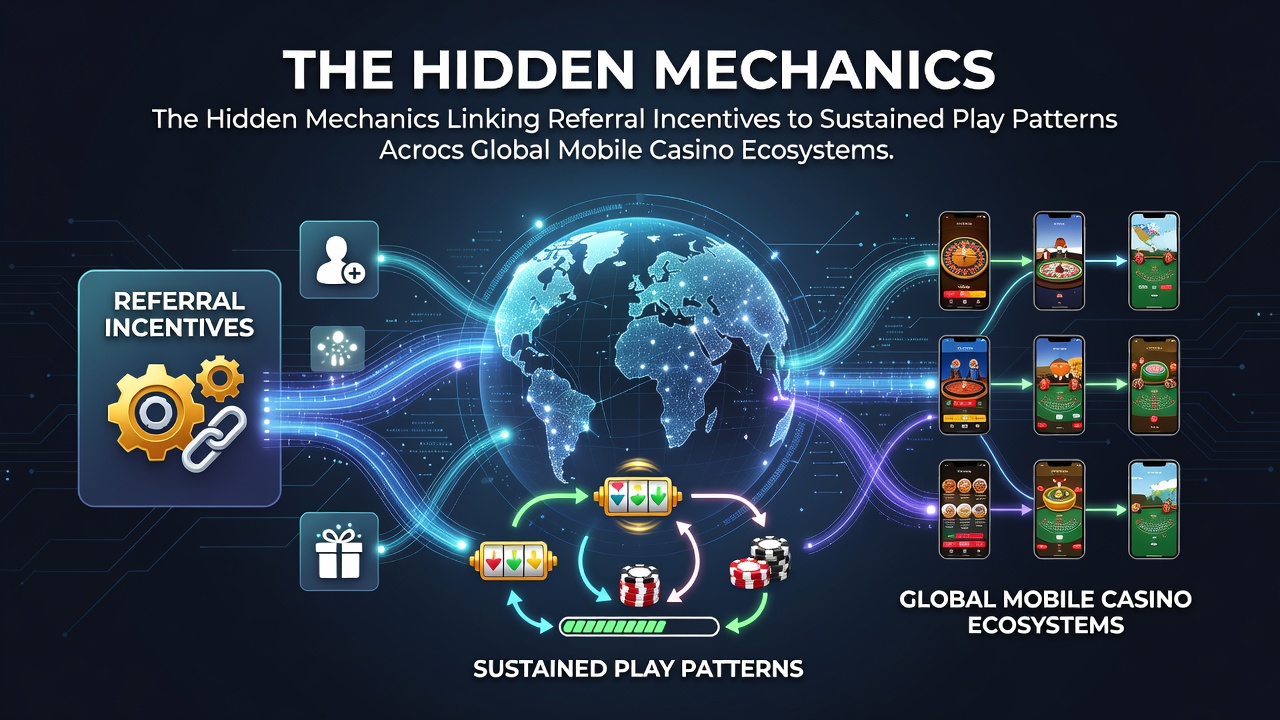
Referral Networks Driving Long-Term Engagement in Worldwide Mobile Gaming Platforms
Referral incentives operate through structured reward systems that encourage existing users to invite new participants while simultaneously reinforcing continued activity among both groups and data from multiple jurisdictions shows these mechanics produce measurable extensions in session duration and return frequency across mobile casino applications.
Mechanics Behind Referral Programs
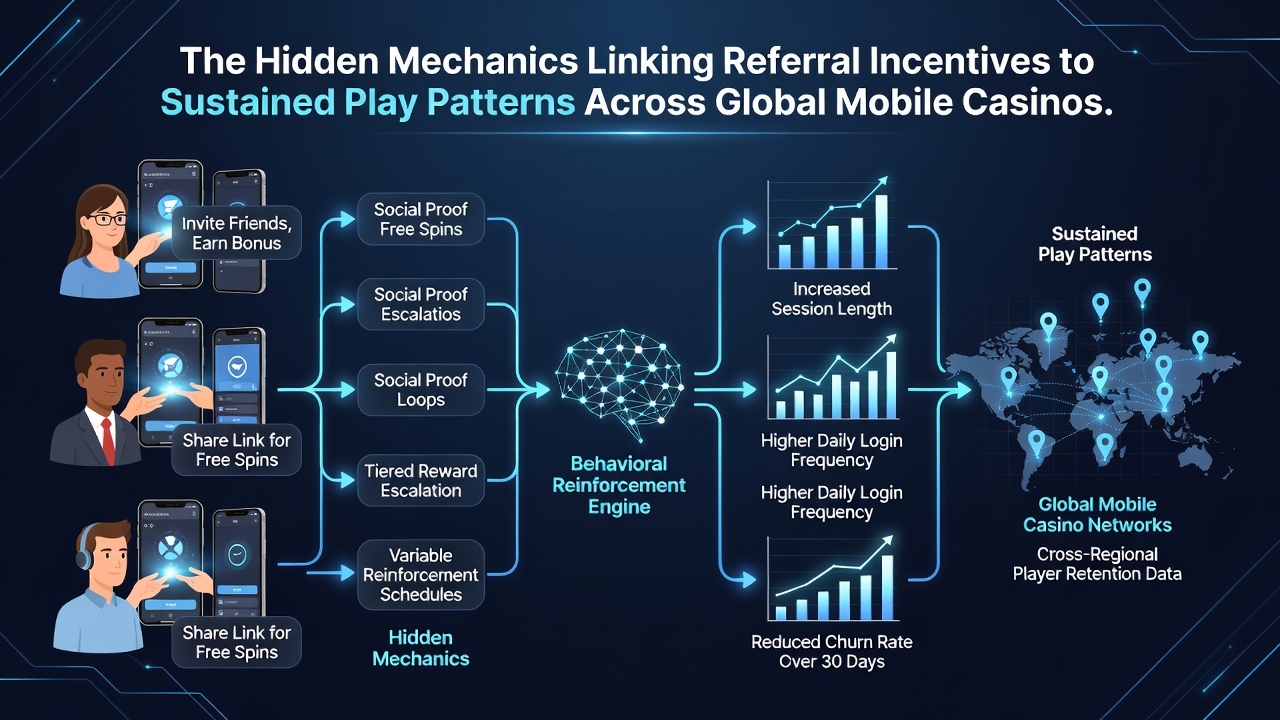
Operators design referral bonuses as layered incentives where the inviter receives credits or free spins upon successful registration and first deposit by the invitee while the new user gains an initial match or spin allocation and this dual-sided structure creates immediate engagement loops that extend beyond the signup phase because subsequent play by either party often unlocks additional tiers such as bonus multipliers or cashback percentages tied directly to collective wagering volumes.
Systems track participation through unique referral codes embedded in app interfaces and these codes link accounts in backend databases allowing operators to monitor cross-user activity patterns over weeks and months rather than isolated transactions and studies from research institutions indicate that users acquired via referrals demonstrate retention rates up to 35 percent higher than those from standard advertising channels during the first quarter of activity.
Global Data Patterns in August 2026
Reports compiled in August 2026 from regulatory bodies in North America and Europe highlight consistent correlations between referral program participation and sustained mobile play volumes with aggregate figures showing a 22 percent increase in average weekly sessions among referred cohorts compared to non-referred users and these patterns hold across markets in Canada and Australia where mobile penetration exceeds 70 percent of total gaming activity.
One analysis conducted by the Canadian Centre on Substance Use and Addiction examined anonymized transaction logs from major platforms and found that referral chains extending beyond two levels produced compounding effects on play duration because secondary invitees often received escalating rewards that required repeated logins to claim fully and this mechanism effectively distributes engagement pressure across wider user networks without relying solely on direct promotions.
Behavioral Loops and Platform Algorithms
Algorithms within these ecosystems adjust reward visibility based on individual play history so users who maintain minimum activity thresholds see personalized referral prompts more frequently and this feedback loop encourages habitual checking of the app even on days without active promotions because missing a referral window can mean forgoing potential bonuses that reset on weekly cycles.
Industry reports from the American Gaming Association note that platforms in regulated U.S. states implemented similar referral tracking during 2025 expansions and observed that referred users contributed disproportionately to jackpot pools because their combined wagering activity often triggered shared multiplier events and these events in turn prompted further invitations as participants shared progress updates through integrated social features.
Regional Variations and Research Findings
European markets outside the United Kingdom exhibit distinct adaptations where referral incentives integrate with local payment methods and loyalty tiers and a University of Sydney study published in the Journal of Gambling Studies tracked users across Australian operators and determined that referral-linked accounts displayed extended play sequences averaging 14 additional minutes per session when compared against organic signups with the difference attributed to social accountability elements embedded in group challenges.
Operators in emerging Asian markets have begun testing hybrid models that combine referral rewards with tournament entries and preliminary data from these tests suggests higher conversion from casual to regular play because the social component adds competitive pressure that sustains interest beyond individual financial incentives and regulatory oversight in these regions focuses on transparency requirements for how referral data influences personalized game recommendations.
Conclusion
Referral incentives function as interconnected systems that link user acquisition directly to ongoing engagement metrics and evidence from regulatory reports, academic analyses, and industry data compiled through August 2026 demonstrates their capacity to extend play patterns across diverse global mobile casino environments through layered rewards, algorithmic personalization, and cross-user tracking mechanisms.