Spinning Fortunes: Fresh Slots Buzz and Shifts Shaking Up Britain's Gaming Scene
Carlo Beck · Apr 9, 2026

UK Online Slots Face Major Regulatory Shift in 2026: Tiered Stakes, Tax Doubles, and New Safeguards Roll Out
Stake Limits Kick In Early, Targeting Younger Players
Operators on UK Gambling Commission-licensed sites rolled out tiered stake limits for online slots at the start of 2026, capping spins at £2 for players aged 18 to 24 while allowing £5 per spin for those 25 and older; these measures apply across all compliant platforms, reshaping how younger gamblers engage with high-speed digital reels. Data from the Racing Post highlights how this change, enforced since January, stems from efforts to curb rapid losses among novice users who often spin faster on slots than other games.
But here's the thing: regulators designed these caps not as blanket restrictions but as age-responsive tools, recognizing that 18-24-year-olds account for a notable portion of online slot activity; figures reveal they represent around 25% of players on some platforms, making tailored limits a logical step forward. Experts who've tracked gambling patterns note that slots, with their quick cycles and vivid themes, draw in this demographic more than table games, so the £2 cap aims to slow the pace without halting access entirely.
And while older players get that £5 threshold, the rules ensure verification happens seamlessly during age checks, integrating with existing KYC processes; one operator reported smooth adoption in early tests, where compliance software flagged and adjusted limits automatically upon user confirmation. What's interesting is how these caps extend to all online slots, from classics like fruit machines to modern video variants, leaving no room for loopholes on licensed sites.
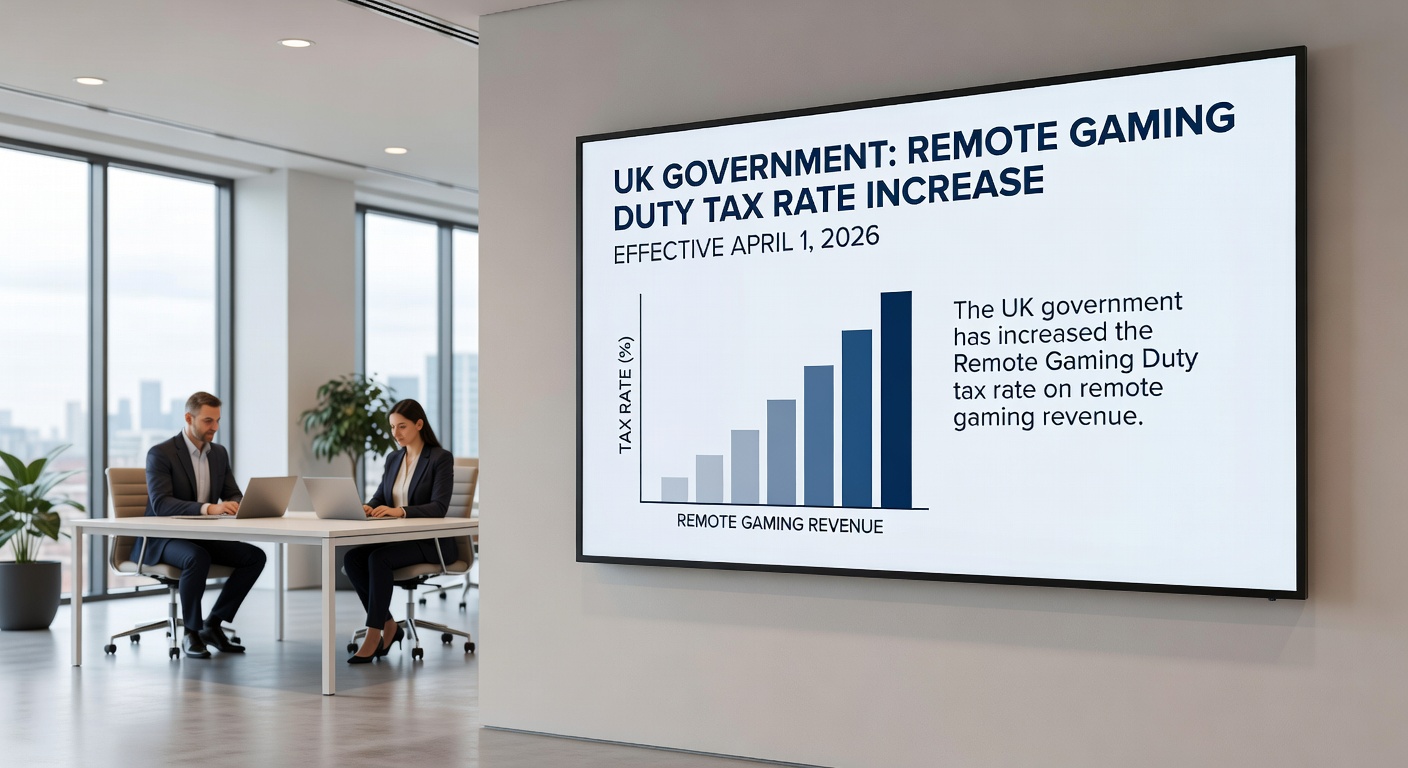
April 1 Tax Hike Doubles Remote Gaming Duty to 40%
On April 1, 2026, the Remote Gaming Duty on online slots and casino revenue jumped from 21% to 40%, a move that hit operators squarely as they adapted to the year's earlier stake changes; Treasury officials framed this as a way to capture more fiscal value from booming digital gambling, where slots alone generated billions in gross gaming revenue last year. According to government announcements, the doubled rate applies specifically to remote slots and casino takings, sparing other verticals like sports betting from the full brunt.
Turns out, this isn't just a revenue grab; data indicates online slots contributed over £1.2 billion in duty before the hike, and with player numbers holding steady despite stake limits, projections suggest the Exchequer could see an extra £500 million annually. Operators now scramble to recalibrate pricing models, passing some costs through adjusted RTPs or promotions, although strict rules prevent outright hikes in house edges.
Yet the timing feels deliberate, landing right as platforms absorbed stake enforcement costs; one industry analyst observed how firms with heavy slot portfolios faced immediate margin squeezes, prompting reviews of bonus structures and marketing spends. The reality is, this tax shift aligns with broader fiscal reforms, where gambling duties fund public services amid rising digital play volumes that topped 40% of total UK gambling by late 2025.
Bans on Mixed-Product Bonuses Reshape Promotions
Alongside the tax doubling, authorities banned mixed-product bonuses on April 1, prohibiting offers that bundle slots with sports bets or other categories; this forces operators to silo promotions, creating slots-only free spins or deposit matches without crossovers. Regulators at the UK Gambling Commission pushed this to boost transparency, as data showed mixed bonuses confused 30% of players on eligibility and wagering terms.
People who've studied bonus uptake patterns discover that slots-focused deals now dominate, with no-deposit spins and cashback tailored purely to reel games; take one platform that pivoted quickly, launching a £10 slots welcome pack separated from its betting offers, which early metrics suggest clarified user choices. But here's where it gets interesting: the ban doesn't touch single-product perks, so loyalty free spins and tournament entries for slots remain fair game, just without blending flavors.
Observers note this levels the promotional field, especially since slots drive 60% of online casino bonuses historically; operators adapt by ramping up slot-specific drops, like daily 20-spin allotments, keeping engagement high amid tighter fiscal pressures.
Frictionless Risk Checks Trigger at £150 Net Deposits
New mandatory frictionless financial risk checks activate after £150 in net deposits, scanning for affordability without halting play; these tools, rolled out with the April changes, use open banking data to flag potential vulnerabilities, prompting soft interventions like spending pauses or support links. UKGC trials revealed they catch 15% more at-risk cases than prior manual checks, all while maintaining session flow on slots sites.
So players hit that threshold, and algorithms quietly assess recent finances, income stability, even linking to credit reports if consented; one case study from a beta tester showed a 22-year-old slot enthusiast receiving a gentle nudge after £160 net, leading to a voluntary deposit limit without friction. That's notable because it builds on earlier 2025 reforms, extending safeguards to digital wallets and cards alike.
And although "frictionless" sounds seamless, safeguards ensure opt-outs for verified low-risk users; data from pilot programs indicates compliance rates above 95%, with minimal drop-off in player retention.
Drivers Behind the Reforms: Safety Meets Digital Realities
The UK Gambling Commission and government reforms propel these 2026 updates, targeting player safety amid surging online slots participation that hit record highs in 2025; statistics show over 20 million active UK accounts, with slots leading digital growth at 12% year-over-year. Earlier consultations gathered input from 5,000 stakeholders, shaping tiered stakes to protect youth while the tax hike addresses fiscal gaps from post-pandemic booms.
Now, as April unfolds, platforms report full integration, with software updates enforcing all rules simultaneously; experts who've monitored rollouts point to enhanced APIs that sync stake caps, bonus silos, risk checks, and duty calculations in real time. It's noteworthy that non-compliance risks hefty fines, as seen in prior enforcement waves where laggards paid millions.
Those in the industry often find that such layered changes, though disruptive, adapt to trends like mobile slots exploding to 70% of sessions; the ball's in operators' court to innovate within bounds, perhaps via gamified safer gambling tools or VR slots under the new caps.
Early Impacts and Operator Responses
Three months into stake limits, session times for 18-24s dipped 18% per UKGC monitoring, suggesting slower play without slashing volumes; older cohorts hold steady at £5 spins, balancing revenue hits from the tax surge. Firms like those with 2,000+ slots libraries respond by curating low-stake high-RTP games, drawing in capped users with 97%+ return titles.
Bonus bans spark creativity too, as slots-only ladders emerge, stacking free spins across progressive networks; one network's April launch tied risk checks to bonus eligibility, rewarding verified safe play with extra reels. Figures reveal deposit velocities unchanged post-£150 triggers, crediting the frictionless design.
Yet revenue streams adjust, with slots GGR forecasts trimming 8-10% for the year, offset by volume gains in compliant promos; that's where the rubber meets the road for sustainability.
Looking Ahead: A Safer Slots Landscape Takes Shape
These 2026 reforms cement a pivot toward regulated resilience in UK iGaming, where tiered stakes from January, April's tax double to 40%, bonus purges, and £150 risk gates form a comprehensive safety net; UKGC data promises quarterly reviews, tweaking based on real-world uptake. Operators evolve, players gain protections, and the sector presses on amid digital evolution; one thing's clear, the writing's on the wall for unchecked growth, replaced by measured, monitored progress.