Sustaining Engagement: Incentive Chains Linking Jackpots Across Digital Platforms
Iris Krüger · Aug 17, 2026
Sustaining Engagement: Incentive Chains Linking Jackpots Across Digital Platforms
Data from industry reports indicate that cross-platform jackpot ecosystems rely on structured incentive chains to maintain consistent player activity across devices and operators, and these systems combine progressive rewards with shared prize pools to extend session lengths. Observers note that such mechanisms operate through sequential tiers where initial deposits unlock entry-level bonuses, while continued play accumulates points toward higher-value multipliers that feed directly into communal jackpots.
Mechanics of Layered Incentive Structures
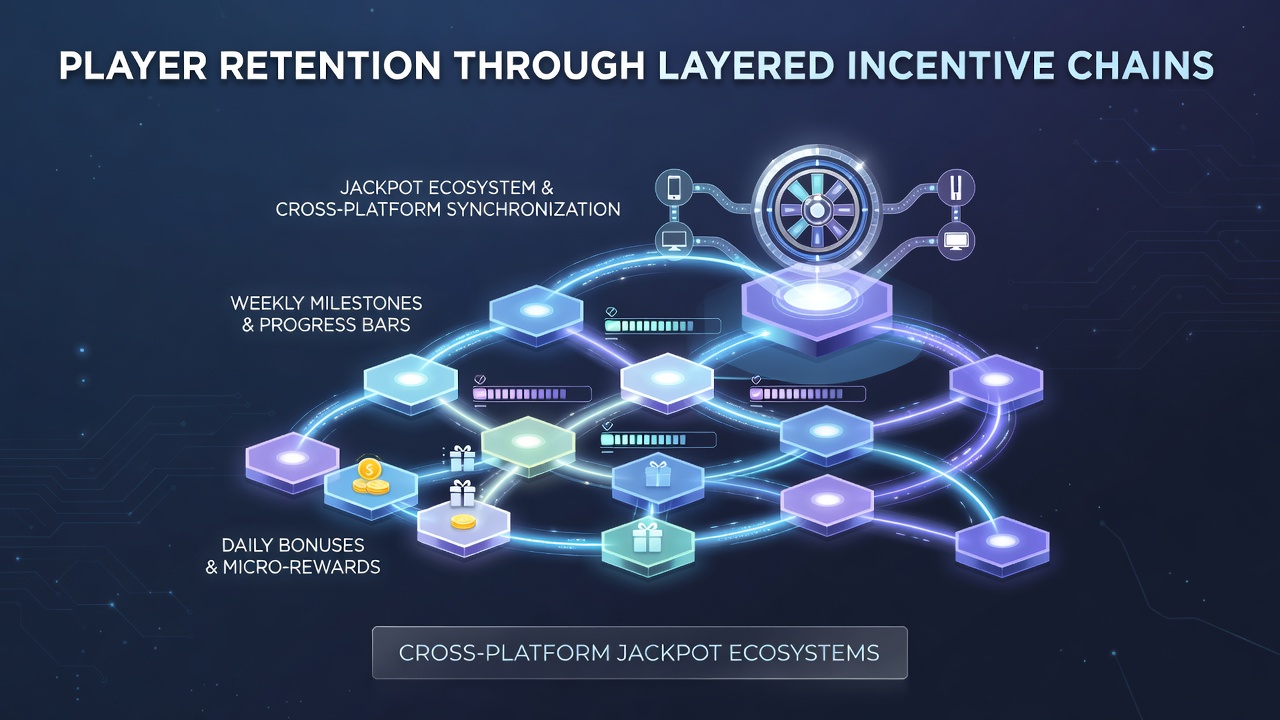
Layered systems function by stacking micro-rewards onto macro-outcomes, and one example involves daily login streaks that grant free spins which then contribute fractional amounts to a network-wide jackpot meter. Research indicates these chains create multiple entry points for retention because players progress through loyalty thresholds that reset or escalate based on cross-device activity logs. According to findings from the European Gaming and Betting Association, operators tracking multi-platform behavior report higher repeat rates when incentives link mobile spins directly to desktop tournament entries without separate account resets.
Players often encounter base layers that award small cashback percentages after every ten spins, while mid-tier unlocks provide boosted multipliers once cumulative wagers reach set milestones. These mid-layers connect to top-tier jackpot contributions where a percentage of each bet pools across participating sites, and studies show this progression reduces drop-off rates during quieter periods. What's interesting is how the structure adapts to regional regulations, with some networks adjusting point accrual speeds to comply with local payout caps while preserving the chain's momentum.
Cross-Platform Integration and Data Patterns
Integration across platforms requires unified player profiles that sync progress in real time, and this allows a session started on a tablet to carry forward accumulated incentives when the user switches to a desktop terminal. Figures from the Nevada Gaming Control Board reveal that shared jackpot pools spanning multiple licensed operators saw increased transaction volumes in August 2026 as more platforms adopted synchronized reward ledgers. Those who've examined the data note that seamless transitions between environments prevent the fragmentation that previously led users to abandon one ecosystem for another with fresher offers.
Additional layers incorporate referral credits that feed into the same jackpot ecosystem, turning new sign-ups into incremental contributions for existing users. Industry analyses from the Canadian Gaming Association highlight that networks employing these referral-to-jackpot pathways maintained steadier monthly active user counts compared to single-platform alternatives during the same period. And the connections extend further when seasonal events overlay temporary multipliers that accelerate point collection without altering the underlying chain architecture.
Retention Outcomes in August 2026 Trends
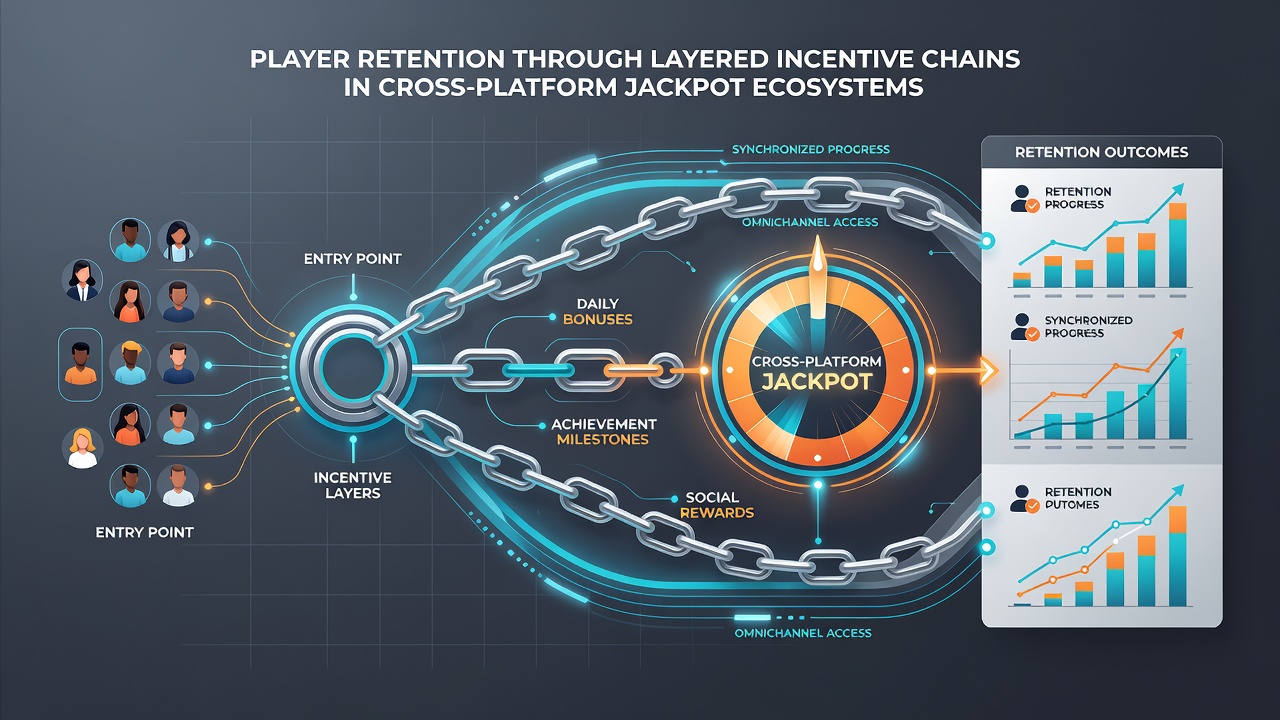
August 2026 data collections across several markets demonstrated that ecosystems with four or more stacked incentive stages retained users for an average of 18 additional days per quarter versus simpler bonus models. Researchers at the University of Nevada's gaming studies program documented how players who reached the third incentive tier showed elevated participation in cross-platform jackpot draws, with activity spikes correlating to milestone announcements pushed through app notifications. This pattern holds because each completed layer reinforces the value of remaining active rather than migrating to competing networks.
Operators achieve this by calibrating reward frequency so that early layers deliver quick feedback while later stages build anticipation toward larger shared payouts. Evidence from Australian wagering reports suggests that systems linking state-based lotteries to international jackpot feeds through unified incentive ledgers experienced lower churn among users who engaged with at least two device types regularly. The approach avoids isolated promotions by ensuring every action feeds the broader ecosystem, creating a continuous loop where progress on one platform advances goals on others.
Implementation Across Global Networks
Global networks adapt these chains to accommodate varying currency conversions and regulatory thresholds, and one documented case involved a European consortium that merged local loyalty programs into a single jackpot feed accessible from both regulated and offshore platforms under controlled conditions. Data shows that such mergers required precise tracking of contribution percentages to maintain fairness across borders, yet the resulting retention lift justified the technical investment. Observers note that players benefit from seeing their layered progress reflected in real-time dashboards that update regardless of entry point.
Future expansions may incorporate blockchain-verified ledgers to further secure cross-operator transfers, although current implementations rely on centralized servers with audited APIs. Those monitoring the sector point out that successful chains balance visibility of upcoming rewards against the unpredictability of jackpot triggers, preserving engagement without guaranteeing outcomes. This equilibrium appears in metrics where session frequency rises even as individual wager sizes remain stable.
Conclusion
Cross-platform jackpot ecosystems continue to refine layered incentive chains as core retention tools, and available records confirm their role in sustaining activity across devices and operators through sequential reward progression. The integration of micro and macro incentives creates pathways that align individual play with collective prize growth, supporting longer-term participation patterns observed in multiple regulatory jurisdictions. As networks expand, the emphasis remains on maintaining synchronized progress tracking that respects regional rules while delivering consistent value across the ecosystem.