The Dynamics of Daily Challenges and Accumulating Rewards in Portable Gaming Environments
Carlo Beck · May 28, 2026
The Dynamics of Daily Challenges and Accumulating Rewards in Portable Gaming Environments
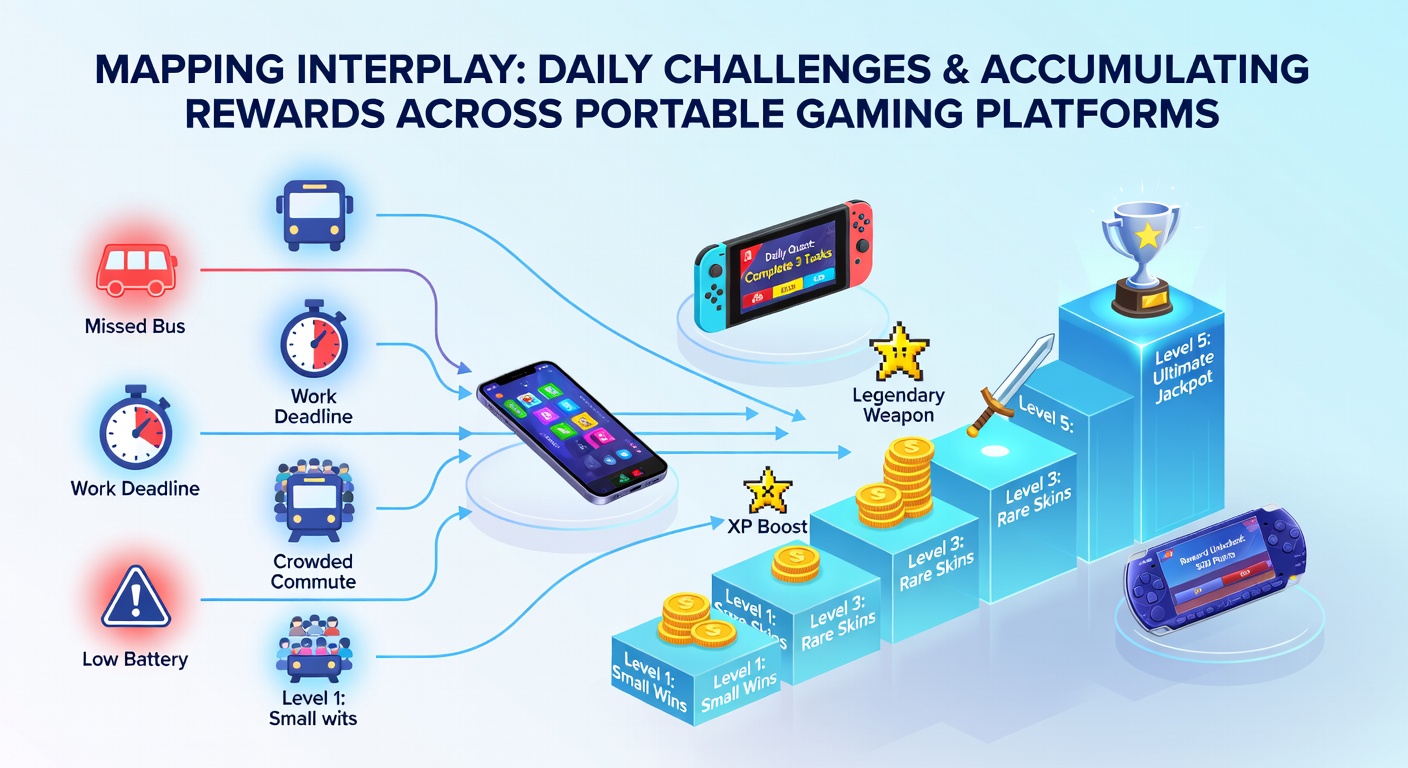
Portable gaming platforms have integrated daily challenges as core mechanics that drive player engagement across mobile devices, and these systems create structured pathways where routine tasks lead to layered reward accumulation over time. Data from industry reports indicates that mobile gaming applications now feature mission-based structures where users complete specific actions such as spinning reels a set number of times or reaching session milestones, and these completions feed directly into point systems that unlock escalating benefits.
Developers design these challenges to reset at consistent intervals, typically every 24 hours, while reward meters track progress across multiple days or weeks. Research from academic institutions shows that such loops encourage repeated logins, and the accumulation process often ties small daily gains to larger platform-wide events like progressive jackpot contributions or loyalty tier advancements. In May 2026 several platforms introduced synchronized challenge calendars that align with global time zones, allowing users in different regions to participate in unified events without timezone barriers.
Mechanics of Challenge Design on Mobile Devices
Daily challenges on portable platforms usually break down into categories that include spin counts, specific game selections, and time-based goals, and each category feeds a central reward tracker that converts completed tasks into credits or multipliers. Observers note that these designs incorporate variable difficulty levels, where beginner tasks require minimal effort while advanced ones demand strategic play across multiple titles, yet all paths converge on the same accumulation dashboard. This convergence creates a unified progress visualization that displays how individual actions contribute to broader reward pools.
Portable hardware limitations shape these mechanics because touch interfaces prioritize quick interactions, and developers respond by streamlining challenge interfaces into swipe-friendly menus that display remaining time and current totals without requiring extensive navigation. Figures from gaming analytics firms reveal that players who engage with these daily systems show higher retention rates compared to those who access games without structured tasks, and the data links this pattern to the psychological effect of visible progress indicators on small screens.
Reward Layering and Cross-Platform Accumulation
Rewards generated from daily challenges accumulate through tiered structures where initial points convert into free spins, bonus credits, or entries into larger draws, and these layers often connect across multiple portable gaming titles within the same ecosystem. Experts have observed that some platforms allow reward transfers between games, enabling users to apply earnings from one title toward challenges in another, which extends the accumulation process beyond single-game sessions. This cross-title functionality appears in applications that operate on both iOS and Android, where cloud-based accounts maintain consistent reward balances regardless of device switches.
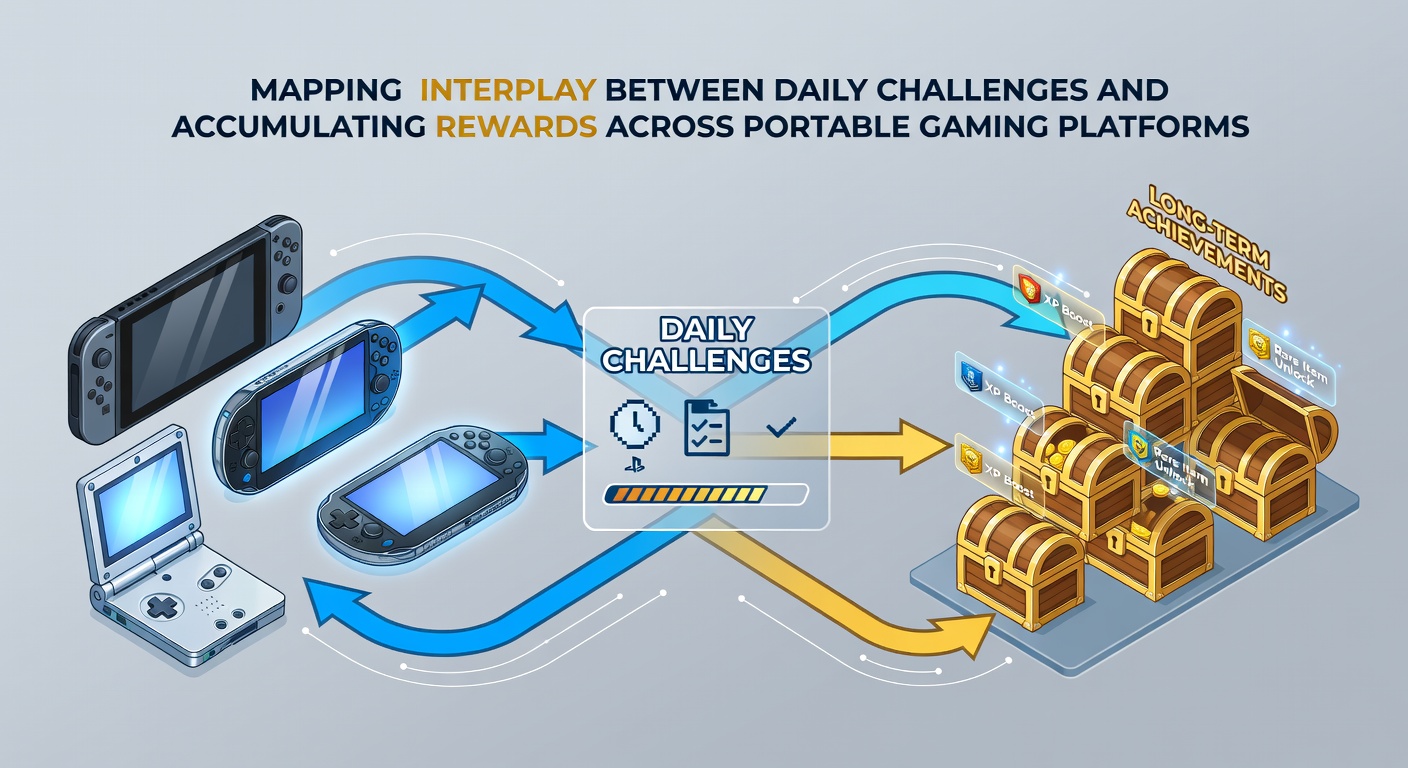
Accumulation rates vary according to challenge completion streaks, and platforms implement multiplier bonuses that activate after consecutive days of participation, turning steady daily inputs into exponential growth opportunities. Studies from research organizations indicate that these multipliers contribute to increased overall play volume, and the effect compounds when rewards feed into progressive systems that build across entire user bases rather than individual accounts alone.
Regional Variations in Challenge and Reward Systems
Portable gaming platforms adapt challenge structures to meet different regulatory environments, and operators in various jurisdictions modify reward types to align with local requirements while maintaining core accumulation mechanics. In regions overseen by bodies such as the Gambling Regulatory Authority in Mauritius, daily challenges emphasize skill-based elements over pure chance components, whereas platforms serving North American markets often highlight time-limited events that tie into seasonal promotions. These adaptations preserve the fundamental link between daily tasks and reward growth even as specific features shift.
Industry associations track these variations through aggregated usage data, and reports from groups like the Entertainment Software Association highlight how mobile platforms balance accessibility with compliance across borders. The interplay remains consistent in that completed challenges reliably contribute to reward meters, yet the conversion rates and eligible prize types reflect geographic differences in platform operations.
Impact on Player Progression and Platform Metrics
Daily challenge systems influence long-term player progression by creating visible milestones that mark advancement through reward tiers, and this visibility encourages sustained engagement as users monitor their accumulated totals. Platform metrics collected in 2026 show that titles incorporating robust challenge-reward loops experience elevated session frequencies, with data indicating average daily returns to the app increase when progress tracking features remain prominent on home screens. The accumulation process also supports social elements, as some platforms enable users to compare challenge completion rates or share milestone achievements within integrated communities.
Technical implementations on portable devices leverage push notifications to remind users of pending challenges and nearing reward thresholds, and these alerts integrate with device operating systems to maintain low battery impact while delivering timely updates. Observers note that such features strengthen the connection between routine interactions and long-term reward growth without overwhelming users with excessive alerts.
Conclusion
The mapping of daily challenges to accumulating rewards on portable gaming platforms reveals interconnected systems where routine tasks generate measurable progress toward larger benefits, and these frameworks continue to evolve with hardware capabilities and regulatory landscapes. Data collected through May 2026 demonstrates sustained interest in these mechanics across global user bases, with accumulation pathways adapting to maintain engagement while respecting regional standards. The core relationship between completed actions and reward growth persists as a defining characteristic of mobile gaming environments.