UK Gambling Commission Drops February 2026 Stats: 1.9 Million Adults Hit Fruit and Slot Machines, Pubs Lead the Play
Iris Krüger · Mar 13, 2026

UK Gambling Commission Drops February 2026 Stats: 1.9 Million Adults Hit Fruit and Slot Machines, Pubs Lead the Play
The Fresh Data Drop from the Gambling Commission
Observers in the gambling sector turned their attention to the UK Gambling Commission's February 2026 official statistics, which spotlight fruit and slot machine activity across the nation; these figures, drawn from the Gambling Survey for Great Britain (GSGB) covering July to October 2025, reveal that approximately 1.9 million adults engaged with such machines over the past four weeks, underscoring a steady presence in everyday gambling habits. Data indicates this participation rate holds firm amid evolving regulations, with players flocking to these classic games that blend chance and nostalgia in venues from high-street pubs to members' clubs.
What's interesting here surfaces in the venue breakdown, where 44% of participants chose bars, clubs, and pubs as their go-to spots; those locations, long synonymous with a quick spin alongside a drink, continue to dominate teh landscape, while arcades and other sites fill supporting roles. Turns out, this pub-centric play isn't just anecdotal—figures confirm it as the primary hub for fruit machine action during that survey period.
And as March 2026 rolls in, these stats gain fresh relevance; industry watchers note how they paint a snapshot just before potential shifts in stake limits or player protections take fuller effect, offering a baseline for tracking changes ahead.
Breaking Down Participation: Who’s Spinning and Where
The GSGB, a cornerstone survey for tracking gambling behaviors, captured responses from thousands of adults, leading researchers to peg fruit and slot machine involvement at that 1.9 million figure for the four-week window; experts have observed similar numbers in prior waves, but this wave 3 data (July-October 2025) sharpens the focus on land-based machines, excluding online equivalents to highlight physical play. People who've analyzed these trends point out how such participation equates to roughly 4% of the adult population dipping into slots during any given month, a metric that holds steady despite broader awareness campaigns on safer gambling.
Take the venue stats: 44% in bars, clubs, and pubs means nearly half of all play happens in these social settings, where machines often sit tucked near the bar or in dedicated gaming rooms; arcades account for another chunk, though exact splits beyond pubs remain aggregated in the report, and casinos trail as a smaller slice since their focus leans toward table games. Here's where it gets interesting—observers note that this distribution reflects accessibility, with pubs numbering over 40,000 across the UK, making them the natural first stop for casual players seeking a low-stakes thrill.
But the data doesn't stop at raw numbers; it layers in frequency patterns, showing many participants limiting sessions to occasional spins rather than daily habits, which aligns with responsible gambling markers embedded in the survey design. So, while 1.9 million sounds substantial, the spread across demographics—from younger adults testing the reels to older regulars chasing jackpots—keeps the picture balanced.
Gross Gambling Yield Hits £680 Million: The Financial Snapshot
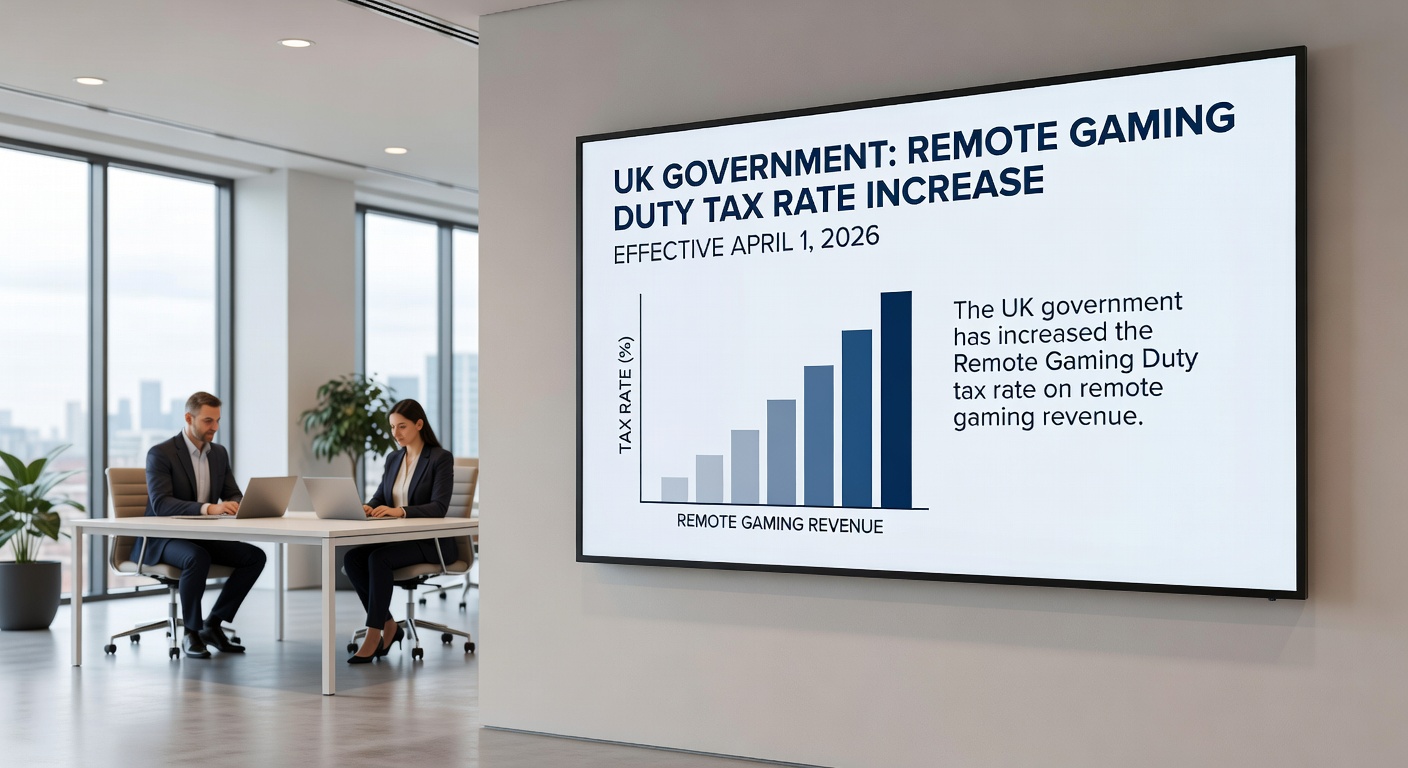
Shifting to the economics, the report flags a gross gambling yield (GGY) of £680 million from fruit and slot machines in gambling premises during the July-September 2025 quarter; GGY, calculated as stakes minus winnings returned to players, represents the net revenue funneled back into operators and, ultimately, the exchequer via duties. Figures reveal this haul stems primarily from those same pubs, clubs, adn arcades, where machines generate steady income without the flash of online platforms.
Data from the Statistics on gambling participation: wave 3 July to October 2025 ties these yields to participation levels, suggesting higher footfall in summer months boosted takings; experts who've crunched venue-specific breakdowns in past reports (though aggregated here) often find pubs contributing the lion's share, sometimes over 50% of category GGY. That's notable because it underscores how these machines, capped at £2 stakes and £10 cash insertion per spin under current rules, still pack a punch in aggregate volume.
Yet, the £680 million mark prompts comparisons within the sector—it's a fraction of overall UK gambling revenue, which topped £17 billion annually in recent years, but for land-based slots alone, it signals resilience; operators channel this yield into machine maintenance, venue upkeep, and compliance costs, while government levies like machine games duty (at 5% for low-stake units) siphon off a portion. And with March 2026 bringing whispers of stake cap reviews, these Q3 2025 numbers serve as a benchmark for what policymakers might tweak next.
Context Within the Broader Gambling Landscape
Fruit and slot machines, those coin-operated stalwarts with cherry symbols and flashing lights, trace roots back decades in UK culture, evolving from mechanical one-armed bandits to electronic versions licensed under the Gambling Act 2005; today's models feature themes from classic fruits to branded ties-ins, all governed by strict payout ratios hovering around 85-90%. Researchers studying GSGB waves have documented how participation hovers consistently, buoyed by their ubiquity—over 200,000 machines dot licensed premises nationwide, per commission estimates.
One case that highlights this endurance involves pub chains retrofitting gaming areas to comply with smoking bans and age verification tech, yet player numbers hold; data shows 44% pub play persists because these spots offer social spins, unlike solitary online sessions. It's noteworthy that while online slots grab headlines for stake limits (£5 max since 2024 for under-25s), land-based fruit machines operate under separate caps (£2 per spin, £100 jackpot max for AWP categories), fostering a parallel ecosystem.
Now, as the February 2026 stats circulate into March, stakeholders—from pub landlords budgeting machine leases to regulators eyeing problem gambling rates—scrutinize these insights; the GSGB incorporates validated screening tools like the Problem Gambling Severity Index, revealing low but present risks among slot players, often tied to frequency rather than spend. Turns out, the 1.9 million figure includes light users predominantly, with heavy engagement affecting a slim minority.
Demographics and Patterns Emerge from the Survey
Diving deeper into participant profiles, though aggregated, the data hints at broad appeal: men slightly outpace women in slot play, per GSGB norms, while age bands from 25-54 show peak activity, blending work-night unwind with weekend outings. Observers note regional variances too—urban areas like London and Manchester boast higher density of machines and players, whereas rural pubs sustain lower but loyal traffic.
Frequency data adds nuance; many of the 1.9 million spun reels once or twice in four weeks, keeping average spend modest at under £20 per session, while the GGY swells from sheer volume across millions of plays. But here's the thing: venues enforce self-exclusion tools and spend trackers, mandated by commission licenses, which the survey captures to flag safer trends.
And for those tracking year-over-year shifts, this July-October wave aligns with prior stability—participation dipped minimally post-pandemic but rebounded, fueled by reopened pubs and economic pressures nudging casual gambles. It's not rocket science: affordable entertainment in familiar haunts keeps the reels turning.
Implications for Operators, Players, and Regulators
Pub operators, facing rising energy costs and pint price hikes, lean on that £680 million GGY lifeline; machine suppliers report brisk upgrades to touchscreen models compliant with upcoming accessibility standards, ensuring the 44% pub dominance endures. Players benefit from capped mechanics that limit losses, though surveys flag calls for better signage on odds—fruit machines' RTP (return to player) averages 88%, meaning houses edge 12% long-term.
Regulators at the UK Gambling Commission use these stats to calibrate policies; with March 2026 consultations looming on demographic protections, the 1.9 million active adults underscore the need for balanced oversight. Experts who've modeled scenarios predict tweaks like lower insertions could trim GGY without slashing participation, preserving venue viability.