UK iGaming Hits Major Turning Point: Remote Gaming Duty Jumps to 40%, Slots Stakes Tightened, and Bingo Duty Scrapped in April 2026 Overhaul
Carlo Beck · Apr 10, 2026

UK iGaming Hits Major Turning Point: Remote Gaming Duty Jumps to 40%, Slots Stakes Tightened, and Bingo Duty Scrapped in April 2026 Overhaul
The Big Tax Shift Kicks Off on April 1, 2026
April 1, 2026, marked a pivotal moment for the UK's online gambling sector when the government doubled the Remote Gaming Duty tax rate from 21% to 40% on revenue generated from online slots, casino games, and similar remote gaming products; this change, designed to boost public revenue while addressing concerns over excessive gambling, came alongside the complete abolition of Bingo Duty, reshaping the fiscal landscape for operators overnight.
Operators now face this steeper 40% levy specifically targeting remote gaming revenue, which includes spins on digital slots and bets placed on virtual casino tables through online platforms; Bingo Duty, long applied to traditional and online bingo halls, disappeared entirely, potentially easing burdens on that segment even as the broader iGaming industry adjusts to higher taxes elsewhere.
What's interesting here is how this tax hike aligns with ongoing efforts to balance industry growth against public protection, since data from the Racing Post highlights the move's dual aim of filling government coffers and curbing what regulators see as risky play patterns.
Tighter Stake Limits Roll Out Earlier in 2026
Before the April tax changes landed, the UK Gambling Commission (UKGC) had already enforced stricter online slots stake limits at the start of 2026, capping spins at £2 for players aged 18-24 and £5 for those 25 and older; these age-tiered restrictions, aimed at shielding younger users from high-stakes losses, apply across licensed platforms, forcing operators to integrate the limits into their software seamlessly.
And it doesn't stop there, because alongside these caps, the UKGC introduced a full ban on mixed-product bonuses, meaning promotions can no longer require players to place sports bets or wager on other games to unlock slots free spins or rewards; this rule levels the playing field, ensuring bonuses stay within slots or casino categories without cross-selling pressures that might encourage broader gambling.
Observers note how these measures build on earlier consultations, since standardized frictionless financial risk checks now trigger automatically after £150 in net deposits over 30 days, using credit reference data to flag potential affordability issues without halting play; players often find these checks quick, yet they represent a proactive layer of protection backed by regulatory muscle.
Roots in the 2023 Gambling Act Review White Paper
All these reforms trace back to the 2023 Gambling Act Review White Paper, a comprehensive document that set the stage for modernizing UK gambling laws amid rising online activity; the UKGC, tasked with implementation, rolled out these changes progressively, starting with stake limits and bonus restrictions before the April tax escalation tied it all together.
But here's the thing: enforcement got a serious boost too, with £26 million allocated specifically to combat illegal offshore operators who skirt UK rules; this funding arms regulators with tools for monitoring, fining, and blocking unlicensed sites, ensuring licensed platforms bear the brunt of compliance while protecting players from unregulated risks.
Take one operator navigating these shifts; they must now recalibrate marketing, update slot interfaces for stake enforcement, and absorb the 40% tax hit on gross gaming revenue from remote activities, all while Bingo venues breathe easier without their duty. Turns out, the White Paper's recommendations, debated for years, finally materialized in 2026, reflecting data-driven responses to gambling harm trends.
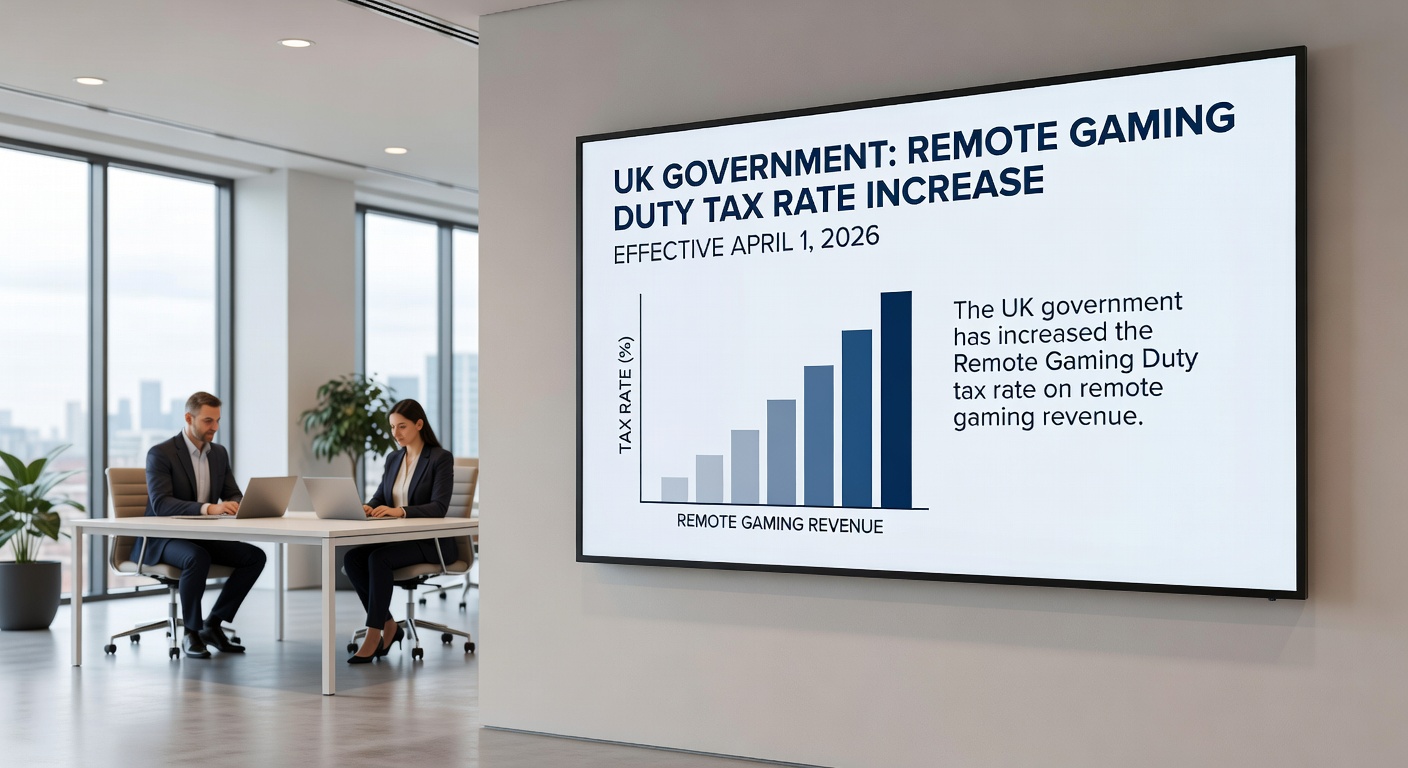
Figures reveal that online slots and casino revenue, key targets of the Remote Gaming Duty, have grown steadily, prompting the rate jump to capture more from this expanding market; meanwhile, abolishing Bingo Duty acknowledges that segment's smaller scale and land-based roots, shifting focus squarely to digital highs.
How Operators and Players Adapt to the New Reality
Platforms licensed by the UKGC swiftly complied with stake limits, embedding age verification to enforce the £2 cap for under-25s during peak play hours; one study from industry watchers found that younger players, often spinning on mobile devices, encounter these limits first, prompting shifts toward lower-volatility games or pause-and-reflect prompts.
So, with mixed bonuses off the table, slots promotions now stand alone, like free spins offers tied purely to deposits on those reels, which keeps things straightforward and reduces temptation to diversify bets; experts who've analyzed bonus structures point out how this simplifies player choices, since unlocking rewards no longer demands juggling sports wagers or table games.
The frictionless checks at £150 net deposits add another layer, pulling in credit data silently to assess risk without forms or delays; people who've hit this threshold report seamless continuations for most, but interventions for high-risk profiles, all calibrated per UKGC guidelines to prevent debt spirals common in unchecked play.
Now, the 40% Remote Gaming Duty reshapes profitability, since operators calculate it on gross revenue before player wins, squeezing margins on slots and casino hauls; Bingo operators, freed from their duty, pivot toward hybrid models blending online and physical, capitalizing on the lift as taxes elsewhere climb.
Enforcement Funding Targets Offshore Threats
That £26 million war chest equips the UKGC to hunt down rogue sites, blocking payments and domains while partnering with banks for transaction monitoring; offshore operators, often luring UK players with lax limits and bonuses, face heightened scrutiny, with recent crackdowns shutting dozens according to regulatory updates.
It's noteworthy that this funding dovetails with the White Paper's call for robust oversight, since illegal platforms evade taxes and protections, exposing users to unfair odds and addiction risks; licensed sites, meanwhile, invest in compliance tech, from stake enforcers to risk algorithms, ensuring the regulated market stays competitive yet safe.
Cases emerge where players, drawn by offshore ads promising uncapped slots spins, encounter payment freezes post-risk checks on legit sites; this contrast underscores the reforms' intent, channeling activity toward protected environments even as taxes rise.
Broader Implications for UK iGaming Landscape
These changes, unfolding through early 2026 into April's tax pivot, signal a maturing sector where revenue generation meets harm reduction head-on; stake tiers protect the 18-24 crowd, most vulnerable per UKGC data, while bonus purity and checks foster responsible engagement across demographics.
And although the 40% duty bites into operator profits, it funnels funds back into public services, with Bingo's duty scrap offering niche relief; observers tracking revenue streams predict adjustments like optimized game portfolios favoring lower-stake slots or enhanced loyalty schemes within rules.
Yet the rubber meets the road in enforcement, as that £26 million fuels campaigns against shadows, bolstering trust in licensed play; platforms respond by innovating compliant features, like customizable limits or educational pop-ups, aligning with the White Paper's vision for sustainable gambling.
Conclusion
The April 1, 2026, rollout of the 40% Remote Gaming Duty, paired with earlier stake limits, bonus bans, risk checks, and beefed-up enforcement, stems directly from the 2023 White Paper's blueprint for a safer, taxed-up online gambling realm; UKGC-driven reforms, including Bingo Duty's end and £26 million offshore fight, reshape how slots and casino revenue flows, protecting players while securing fiscal gains. As operators adapt and players navigate new boundaries, the sector enters a phase of measured evolution, with data poised to track long-term effects on behavior and business alike.